Fairfax Station Leg Pain Treatment
Targeted treatment to relieve nerve irritation, improve circulation, and restore proper leg function.
Fairfax Station Leg Pain Treatment, Expanded
Targeted treatment to relieve nerve irritation, improve circulation, and restore proper leg function.

Persistent leg pain does more than slow you down; it can derail your training schedule, disrupt your commute, and keep you from enjoying time on the Burke Lake trail or afternoons at Fountainhead. Fairfax Station Chiropractic has spent years developing a structured Fairfax Station leg pain treatment program that blends hands-on care with tailored home strategies so you can regain endurance, balance, and confidence in every step. Our approach aligns with proven natural care models: identify the true origin (spine, joints, soft tissue, nerve, circulation), design a clear recovery roadmap, then reinforce the results with guided movement re-education and preventive coaching.
Signs Your Legs Need Professional Attention
Early intervention prevents minor discomfort from turning into chronic instability. Common warning signs our Fairfax Station leg pain treatment team sees include:
- Sharp, electric jolts radiating from the lower back or hip into the calf or foot (often linked to sciatic nerve irritation).
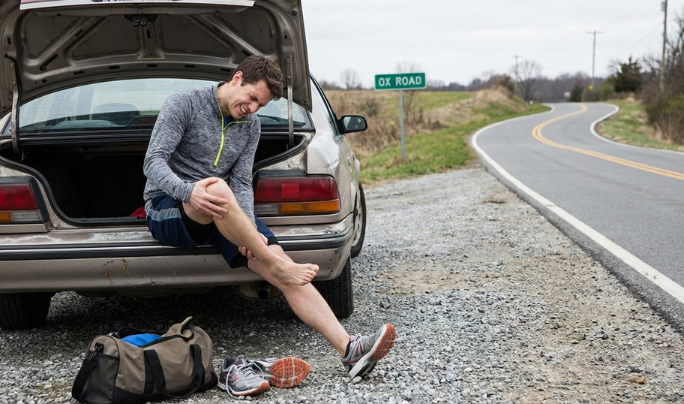
- Deep, toothache-like soreness in the thighs or knees after long drives down Ox Road or before you even begin a run.
- Night cramps, throbbing, or restless-leg sensations that make it hard to sleep.
- Stiffness when standing after meetings or climbing stairs at the office, sometimes accompanied by clicking or snapping joints.
- Tingling, numbness, or weakness that causes tripping, slower reflexes, or difficulty pushing off during sports.
- Visible swelling, warmth, or color changes after activity, hinting at vascular stress or inflammation.
If any of these symptoms persist beyond a few days of rest, professional evaluation is essential to rule out vascular emergencies, stress fractures, or progressive nerve compromise.
What Causes Leg Pain in Fairfax Station?
Even within one household, leg pain triggers differ widely, which is why cookie-cutter plans fall short. Our Fairfax Station leg pain treatment assessments commonly uncover:
- Biomechanical overload: pelvic or lumbar misalignments shift force to knees and ankles, creating compensations that inflame tendons or IT bands.
- Overuse from sports or work: repetitive climbing, cycling, standing at events, or sudden ramp-ups in mileage strain soft tissue beyond its tolerance.
- Muscle imbalance and core fatigue: weak glutes or hips fail to stabilize the leg during movement, stressing calves, hamstrings, or plantar fascia.
- Postural compression at the desk: prolonged sitting shortens hip flexors, tightens lower back muscles, and compresses nerves that feed the legs.
- Degenerative changes: osteoarthritis, disc thinning, or facet joint irritation can mimic peripheral leg pain, especially in adults 40+.
- Vascular or metabolic contributors: varicose veins, peripheral artery dysfunction, or uncontrolled diabetes reduce blood flow and delay healing.
- Pregnancy-related shifts: hormonal changes and altered center of gravity can create knee, ankle, or foot pain that lingers postpartum.
Disentangling these patterns lets us prioritize the interventions that will make the biggest difference fastest.
Fairfax Station Leg Pain Treatment Blueprint
1. Comprehensive Assessment
- Lifestyle and medical history review, including footwear habits, workstation ergonomics, and training logs.
- Gait, balance, and movement screens to expose hidden compensations.
- Orthopedic and neurological testing to analyze joint stability and nerve health.
- Digital X-rays or MRI referrals when structural concerns arise.
2. Active Relief Phase
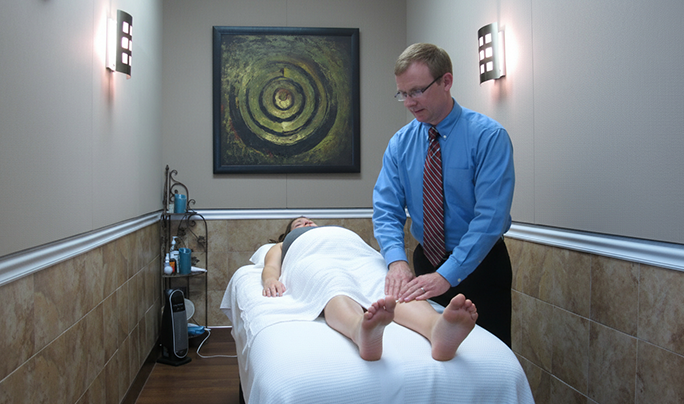
- Precision chiropractic adjustments restore proper alignment in the spine, pelvis, hips, and lower extremity joints, easing nerve pressure and improving mechanics.
- Manual therapies and instrument-assisted soft tissue mobilization release scar tissue, trigger points, and fascial adhesions in calves, hamstrings, quads, and glutes.
- Inflammation control with laser therapy, electrical stimulation, cryotherapy, or gentle decompression.
3. Corrective Strength & Stability
- Customized rehab sessions targeting hip abductors, glute medius, hamstrings, and core stabilizers.
- Proprioceptive drills (single-leg balance, step-downs, neuromuscular taping) to sharpen joint awareness and reduce re-injury risk.
- Progressive resistance training to handle real-world loads—lifting, hiking, running, or standing in client meetings.
4. Mobility & Movement Re-education
- Dynamic stretching protocols and mobility work tailored to your activity (yoga, tennis, cycling, parenting toddlers).
- Functional movement coaching to improve squats, lunges, and daily tasks without pain.
- Ergonomic and posture strategies for office, car, and home setups
5. Lifestyle Integration
- Nutritional guidance to reduce systemic inflammation—hydration targets, anti-inflammatory foods, sugar moderation.
- Sleep optimization for tissue recovery, including pillow setups and relaxation techniques.
- Stress management: breathwork, mindfulness, or gentle yoga to keep muscles relaxed and circulation flowing.
6. Performance & Prevention
- Periodic check-ins and tune-up visits to keep alignment optimal.
- Athletic ramp-up plans for races or tournaments, built around your recovery data and movement milestones.
- Education on footwear, orthotics, and mobility tools so you stay pain-free between visits.
Specialized Protocols We Custom-Build
- Runners & Endurance Athletes: cadence analysis, advanced hip and ankle mobility work, cross-training schedules to protect mileage goals.
- Desk Professionals: micro-break programs, standing desk adjustments, core activation routines that fit between meetings.
- Manual Labor & First Responders: load distribution training, joint protection techniques, recovery plans that align with shift work.
- Postpartum & Prenatal Clients: gentle but effective pelvic stabilization, safe strength rebuilding, support for hormonal and ligament changes
- Mature Adults Managing Arthritis: joint sparing movement lessons, aquatic or low-impact exercise recommendations, coordination with physicians on adjunctive therapies.


Measuring Success
We track more than pain numbers. Expect to see documented improvements in:
- Walking endurance or time on feet before discomfort returns.
- Range of motion in hips, knees, and ankles.
- Strength benchmarks (e.g., single-leg squat quality, bridge holds).
- Daily activity tolerance—stairs, grocery runs, yard work.
- Sleep quality, energy levels, and overall mobility confidence.
Patient-specific goals might include finishing the Fairfax Station Turkey Trot, comfortably touring George Mason campus with family, or getting back to weekend cycling on the C&O Canal.
At-Home Support Between Visits
- Micro-movement breaks every 45 minutes for desk workers (ankle pumps, standing calf raises, hip mobility).
- Contrast therapy: alternating warm soaks and brief cold packs to control swelling and improve circulation.
- Foam rolling and stretch sequences for calves, IT bands, quads, and hamstrings.
- Balance drills while brushing teeth or cooking to reinforce stability.
- Nutrition focus: leafy greens, omega-3 fats, lean protein, and consistent hydration to fuel tissue repair.
- Pain journal: track triggers, relief strategies, and improvements to fine-tune the plan.

Frequently Asked Questions
- Q: How soon will I feel a difference?
A: Mild to moderate leg pain often eases in 4–6 visits when clients follow the plan. Chronic or multifactorial cases typically need 6–12 weeks of focused care; the intensity tapers as objective metrics improve.
- Q: Is chiropractic safe if I have arthritis or a prior surgery?
A: Yes. We adapt techniques—mobilizations, drop-table adjustments, or instrument-assisted corrections—to your comfort level while coordinating with your orthopedic or rheumatology team.
- Q: Do I stop my workouts?
A: Not necessarily. We often modify routines (reduce hills, swap high-impact jumps for controlled strength work) so you maintain cardiovascular health without aggravating tissues.
- Q: What if tests reveal a vascular issue or fracture?
A: We refer immediately to trusted vascular surgeons, orthopedists, or imaging centers. Collaboration ensures you receive the right care at the right time.
- Q: What should I bring to my first visit?
A: Bring any relevant imaging, a list of medications, your health history, and specific questions so we can maximize your appointment time
- Q: Does Fairfax Station Chiropractic accept insurance?
A: Many PPO and POS plans reimburse chiropractic, rehab, and certain modalities. We verify benefits, detail any out-of-pocket costs, and accept HSA/FSA payments to keep care accessible.