Whiplash Treatment in Fairfax Station
Conservative care to reduce neck pain, restore mobility, and support recovery after auto injuries.
Whiplash Treatment in Fairfax Station
Conservative care to reduce neck pain, restore mobility, and support recovery after auto injuries.
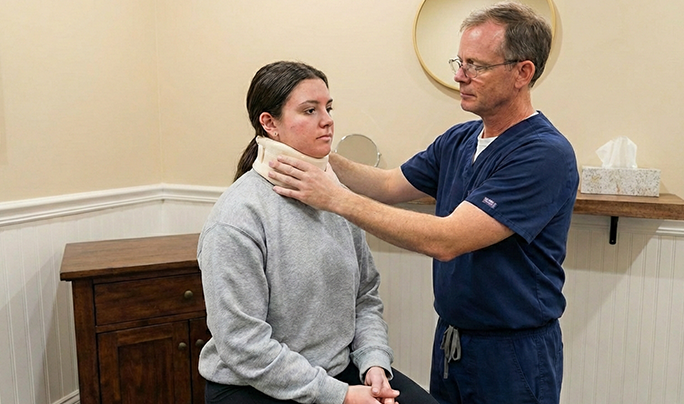
Rebuilding comfort after a car accident or sports collision demands specialized care. At Fairfax Station Chiropractic, we craft comprehensive plans that address the full spectrum of whiplash—from the moment symptoms emerge to long-term prevention. Our focus keyword, `whiplash treatment Fairfax Station`, anchors this guide so patients and search engines alike can easily find the support they need.
Understanding Whiplash
What happens in a whiplash injury?
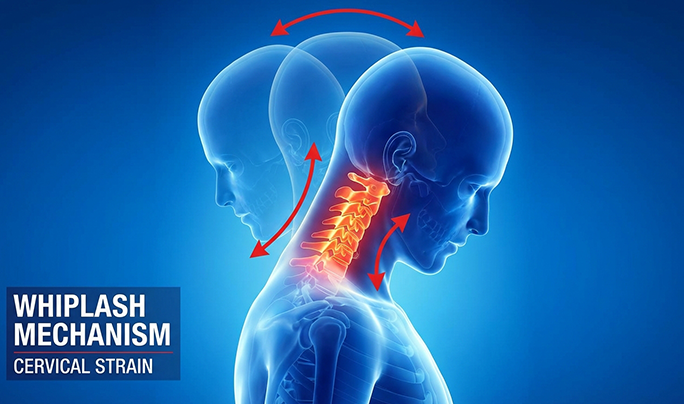
Whiplash occurs when the head snaps forward and back faster than the neck can safely move. This whip-like motion strains muscles, sprains ligaments, irritates nerves, and can disrupt intervertebral discs within the cervical spine.
- More info
Even moderate forces—like a low-speed rear-end collision—can trigger microscopic tears that inflame tissues and limit mobility. Symptoms often appear hours or even a full day after the event, which is why prompt evaluation matters even when you feel “mostly fine” at first.

Symptoms to Watch For
- Neck pain or stiffness that worsens with movement
- Headaches radiating from the base of the skull
- Shoulder, arm, or upper back tenderness
- Dizziness, blurred vision, or ringing in the ears
- Fatigue, sleep disruption, or difficulty concentrating
- Tingling or numbness in the arms and hands
Because symptoms can evolve, our providers schedule follow-up assessments to track healing and adjust care.
How We Diagnose Whiplash in Fairfax Station
Our clinicians combine a detailed health history, orthopedic and neurological testing, and imaging when clinically indicated. This thorough approach lets us rule out fractures, disc herniations, or nerve compression, building a customized `whiplash treatment Fairfax Station` roadmap tailored to your goals.

What to Expect During Treatment
Prompt scheduling – Call `703-493-8445`; our team keeps the schedule running on time.
Personalized plan – We discuss findings, outline your treatment schedule, and explain each modality before we begin.
Insurance support – We verify chiropractic benefits and suggest budget-friendly options for self-pay patients.
Progress tracking – Regular reassessments ensure your care evolves with your results and goals.
Supportive environment – From
the front desk to the adjusting table, you’ll feel welcomed and heard every visit.
Integrated Whiplash Treatment Options
Chiropractic Adjustments
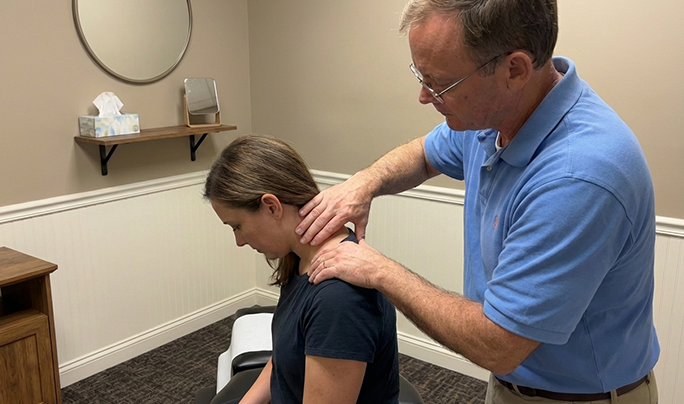
Gentle cervical adjustments realign restricted joints and reduce irritation in nearby nerves. This restores range of motion and resolves the muscle guarding that fuels pain.
Therapeutic Exercise & Physical Therapy
Progressive stretching, mobility drills, and strength routines rebuild stability so everyday tasks—from driving to working at a desk—feel natural again.
Soft-Tissue Therapies
Instrument-assisted soft tissue mobilization, massage, and myofascial release ease muscle knots, improve circulation, and break up scar tissue for smoother movement.
Chiropractic Adjustments
Gentle cervical adjustments realign restricted joints and reduce irritation in nearby nerves. This restores range of motion and resolves the muscle guarding that fuels pain.
Therapeutic Exercise & Therapy
Progressive stretching, mobility drills, and strength routines rebuild stability so everyday tasks—from driving to working at a desk—feel natural again.
Soft-Tissue Therapies
Instrument-assisted soft tissue mobilization, massage, and myofascial release ease muscle knots, improve circulation, and break up scar tissue for smoother movement.
Trigger Point
Targeting hyper-irritable muscle bands through precise manual pressure can help relieve stubborn headaches and persistent shoulder discomfort that may linger after the initial trauma. This approach helps relax tight tissues and improve comfort.
Electrotherapy
By modulating nerve signaling and supporting healthy blood flow, these modalities help manage pain, reduce muscle tension, and promote a faster recovery process.
Trigger Point and Dry Needling Techniques
Targeting hyper-irritable muscle bands can relieve stubborn headaches and shoulder discomfort that linger after the initial trauma.
Acupuncture & Electrotherapy
By modulating nerve signaling and enhancing blood flow, these modalities help control pain and speed recovery.
Spinal Decompression (When Indicated)
If discs or nerve roots are involved, controlled decompression gently separates vertebrae to reduce pressure and improve nutrient exchange.
Every plan is reviewed regularly; care evolves as inflammation subsides and strength returns.
Deeper Look at Whiplash Biomechanics
During a collision, the torso jolts forward while the head momentarily lags, then rebounds in the opposite direction. This rapid flexion-extension cycle can:
- Overstretch anterior neck muscles while compressing posterior structures
- Cause facet joints to jam and inflame synovial capsules
- Create shear forces inside cervical discs, risking annular tears
- Stretch or compress cervical nerve roots, producing radiating symptoms
Even low-speed impacts deliver peak shear forces within 60–100 milliseconds—faster than protective reflexes can respond—explaining why seemingly minor accidents still lead to significant whiplash injuries.

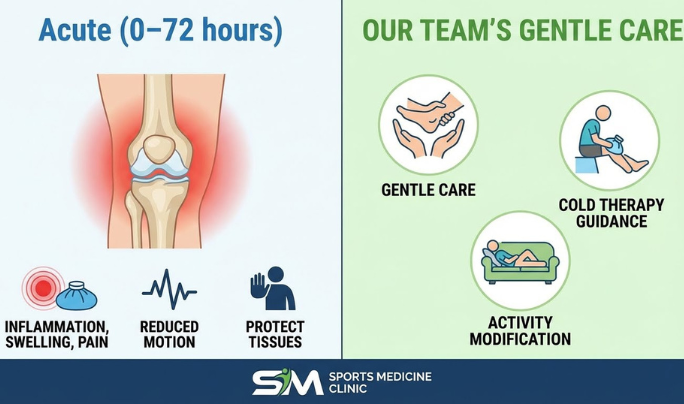
Phases of Whiplash Healing
- Acute (0–72 hours) – Inflammation floods the area, creating swelling, pain, and reduced motion. Our team prioritizes gentle care, cold therapy guidance, and activity modification to protect tissues.
- Subacute (3 days–6 weeks) – Collagen fibers begin knitting damaged tissues. At this stage, `whiplash treatment Fairfax Station` focuses on restoring movement through controlled adjustments, mobility work, and neuromuscular retraining.
- Remodeling (6 weeks–6 months+) – New tissue adapts to how you move. We progress strengthening, proprioceptive drills, and ergonomic coaching to prevent lingering dysfunction or future flare-ups.
Layered Treatment Strategy
Neuromuscular Reeducation – Targeted drills retrain cervical stabilizers and deep postural muscles responsible for keeping the head balanced. This reduces reliance on superficial muscles, easing fatigue and headaches.
Functional Movement Screening – We evaluate how the entire kinetic chain—from thoracic spine to scapulae—works together. By correcting compensations, we eliminate stressors that could undermine whiplash recovery.
Posture and Ergonomics Coaching – We analyze your workstation, driving setup, and sleep habits. Micro-adjustments (monitor height, seat angles, pillow choice) significantly reduce re-aggravation risk.
Nutritional & Recovery Support – Anti-inflammatory dietary recommendations, hydration goals, and sleep hygiene tips accelerate tissue repair. When appropriate, we coordinate with other healthcare providers for integrated care.

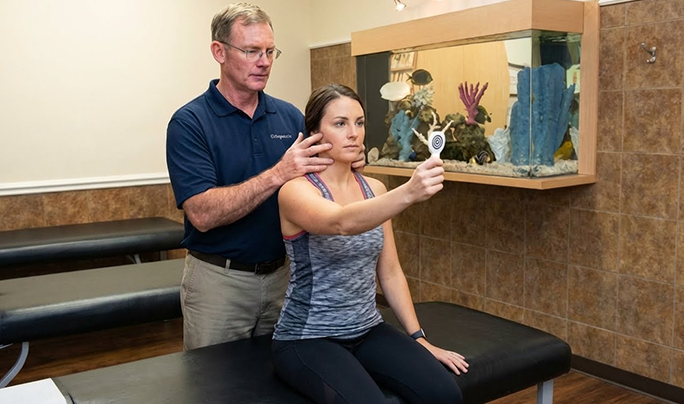
Advanced Modalities for Complex Whiplash Cases
Some patients benefit from enhanced therapies when symptoms persist:
- Low-Level Laser Therapy (LLLT) to stimulate cellular regeneration
- Kinesiology taping for proprioceptive support and swelling control
- Vestibular rehabilitation when dizziness or balance issues accompany neck trauma
- Cognitive and pain education to help interpret signals accurately and reduce fear-avoidance behaviors
What Sets Fairfax Station Chiropractic Apart?
- Individualized care plans — no templated programs; every `whiplash treatment Fairfax Station` plan aligns with your exam findings and lifestyle.
- Continuity of care — regular reassessment ensures each therapy block builds on previous gains.
- Communication-first philosophy — we explain every technique, answer questions in plain language, and adjust pacing to your comfort.
- Community roots — our practice has long-standing ties in Fairfax Station, allowing seamless referrals to imaging centers, pain specialists, or legal partners when needed.


Home Strategies that Support Recovery
- Use cold or heat therapy based on your provider’s guidance
- Practice ergonomic posture at work and in the car
- Perform approved neck mobility routines daily
- Keep a symptom journal to share during reevaluations
- Follow nutrition and hydration recommendations to boost healing
Preventing Chronic Issues
Early, consistent `whiplash treatment Fairfax Station` reduces the risk of chronic neck pain, headaches, or long-term mobility loss. We prioritize education, posture coaching, and home exercise prescriptions to keep relief sustainable.
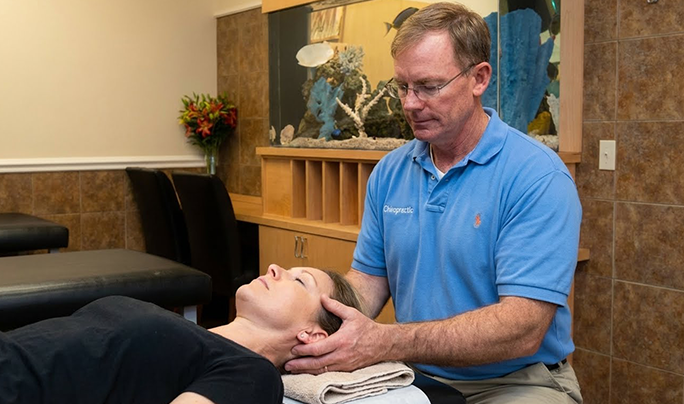
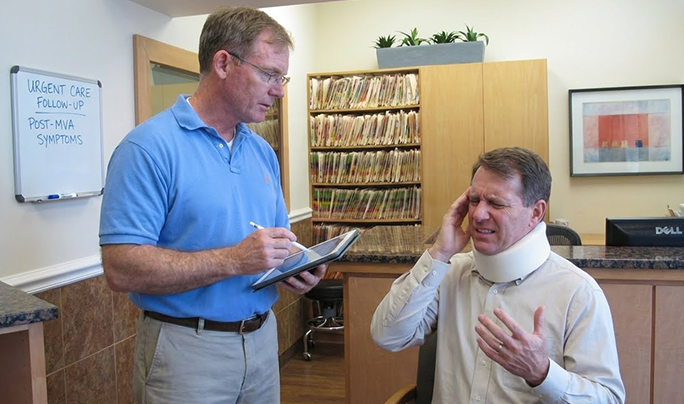
Real-Life Recovery Journey
Many patients arrive frustrated after visiting urgent care, being prescribed rest, and still struggling weeks later. One recent case involved a commuter rear-ended at a stoplight who developed severe headaches, limited rotation, and sleep issues. Through a tailored combination of gentle adjustments, cervical stabilization exercises, and workplace ergonomic tweaks, she regained full motion, eliminated headaches, and returned to recreational cycling within eight weeks—without relying on long-term medication. While every case differs, this pattern reflects the results we strive to achieve.
Ongoing Education & Prevention
Recovery doesn’t end when pain subsides. We equip patients with:
- Daily mobility flows to keep cervical joints supple
- Strength circuits targeting upper back and core stabilizers
- Breathing techniques to reduce muscle tension and stress-induced flare-ups
- Periodic wellness check-ins that catch minor issues before they escalate

Frequently Asked Questions
- Q: How long does recovery take?
A: Mild cases often resolve within several weeks, while moderate to severe injuries may need months of structured care. Persistent monitoring ensures we adapt the plan to your response.
- Q: Can I keep working out?
A: Low-impact activity is usually encouraged, but always check with your chiropractor. We’ll modify routines to protect healing tissues.
- Q: Is imaging always necessary?
A: Not always. We order X-rays or advanced imaging only when clinical signs suggest structural concerns.
- Q: Will insurance cover treatment?
A: Our team verifies benefits for auto injuries, workers’ compensation, and major health plans. We also offer flexible payment options.