Comprehensive Neck and Shoulder Pain Relief
Evidence-based treatment to reduce muscle tension, restore spinal alignment, and improve range of motion.
Comprehensive Neck and Shoulder Pain Relief
Evidence-based treatment to reduce muscle tension, restore spinal alignment, and improve range of motion.

Looking for lasting relief from neck and shoulder pain in Fairfax Station? The care team at Fairfax Station Chiropractic combines advanced diagnostics, hands-on therapies, and personalized movement plans to help you regain strength, mobility, and comfort. Inspired by evidence-based strategies used by leading regional clinics, our approach addresses root causes rather than masking symptoms.
Looking for lasting relief from neck and shoulder pain? Dr. Christopher Virusky combines advanced diagnostics, hands-on therapies, and personalized movement plans to help you regain strength, mobility, and comfort. Inspired by evidence-based strategies used by leading regional clinics, our approach addresses root causes rather than masking symptoms.
What Is Neck and Shoulder Pain?
Neck and shoulder pain describes discomfort, tightness, or limited motion anywhere along the cervical spine, trapezius, rotator cuff, or surrounding soft tissues. These regions share muscles, nerves, and fascia, so stress in one area often radiates to the other. Symptoms range from dull aches to sharp, radiating pain, tingling, headaches, or difficulty turning the head.


Why It Happens
- Postural strain from desk work, driving, or handheld devices
- Muscle fatigue and trigger points from repetitive motions or heavy lifting
- Sudden trauma, including whiplash, sports impacts, or falls
- Degenerative changes such as arthritis, disc herniations, or stenosis
- Compressive nerve irritation from misaligned vertebrae or tight musculature
Without targeted correction, these factors create inflammatory cycles that weaken stabilizing muscles, reduce joint nutrition, and sensitize nerves—leading to chronic discomfort and reduced quality of life.
Why Prompt Treatment Matters
Unresolved neck and shoulder pain can alter biomechanics throughout the body. Compensation patterns strain the mid-back, jaw, and lower spine; over time this can contribute to tension headaches, carpal tunnel–like symptoms, and decreased athletic performance. Early, comprehensive care interrupts this spiral and restores healthy motion patterns.


Personalized Treatment Plans
Every patient begins with a thorough consultation, postural assessment, orthopedic testing, and, when indicated, diagnostic imaging. From there, your doctor builds a care plan that may include:
- More info
Chiropractic Adjustments
Gentle, precise spinal and extremity adjustments improve joint alignment, relieve nerve pressure, and reset muscular balance.Therapeutic Massage & Myofascial Release
Targeted soft-tissue work eases trigger points, improves circulation, and accelerates recovery between visits.Physiotherapeutic Exercise
Tailored stretching and strengthening routines retrain deep stabilizers, enhance ergonomics, and build resilience to recurring strain.Trigger Point Therapy
When appropriate, ultra-fine needles release stubborn muscle knots, reduce inflammation, and stimulate the body’s natural healing response.Corrective Ergonomic Coaching
Practical adjustments to workstation setup, pillow choice, lifting mechanics, and daily habits prevent flare-ups between sessions.By uniting spinal correction with soft-tissue therapy, rehabilitation, and education, Fairfax Station Chiropractic delivers an integrated experience that supports long-term results.
In-Depth Look: Understanding Neck and Shoulder Pain
- Muscle Imbalance and “Tech Neck”
Prolonged forward head posture shortens the chest and anterior cervical muscles while lengthening and weakening upper back stabilizers. This imbalance increases joint compression and nerve irritation.
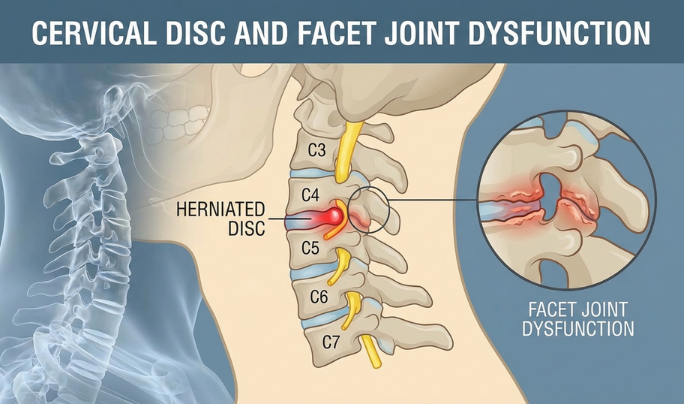
- Cervical Disc and Facet Joint Dysfunction
Repetitive microtrauma can cause discs to bulge or facets to become inflamed, referring pain into the shoulders or arms. Proper alignment and decompressive strategies reduce this stress.
- Neurological Crosstalk
The brachial plexus—nerve roots exiting the neck—controls the shoulders, arms, and hands. When compressed, patients may feel tingling, numbness, or weakness. Chiropractic adjustments create space for these nerves to glide freely.
- Myofascial Trigger Points
Hyperirritable nodules in the trapezius, levator scapulae, or rotator cuff can refer pain behind the eyes, into the jaw, or between the shoulder blades. Manual therapy, dry needling, and stretching deactivate these points.
- Systemic Contributors
Stress, sleep, hydration, and nutrition can all affect muscle tension and inflammation. Dr. Christopher Virusky may also recommend simple lifestyle changes to support your care between visits.
Frequently Asked Questions
- Q: How soon can results be felt?
A: Many patients notice improved range of motion and reduced tension within the first few visits, though lasting stability typically requires a phased plan of relief, correction, and maintenance.
- Q: Is treatment covered by insurance?
A: Most health plans recognize chiropractic, rehabilitation, and therapeutic massage. Our staff verifies benefits and provides transparent cost estimates.
- Q: Can I stay active during care?
A: In most cases, yes. Your provider will outline specific modifications to workouts, work duties, or hobbies so healing stays on track.
- Q: How do I prevent recurring issues?
A: Consistent posture breaks, home exercises, ergonomic upgrades, and periodic wellness check-ins protect your progress.