
Fairfax Station Tendonitis Treatments
Clinical care designed to reduce tendon inflammation, improve mobility, and support healing.
Fairfax Station Tendonitis Treatments
Clinical care designed to reduce tendon inflammation, improve mobility, and support healing.
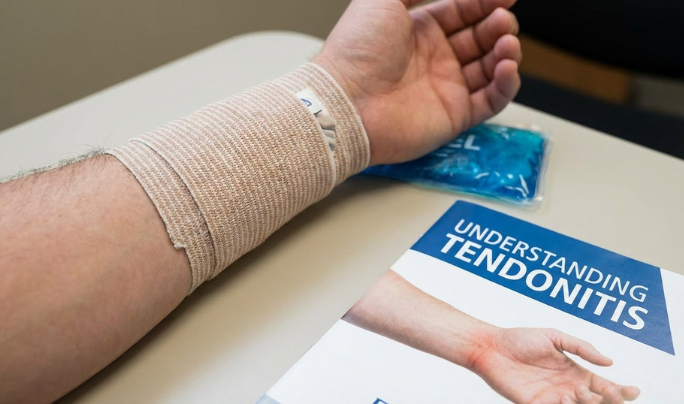
Looking for comprehensive tendonitis relief close to home? Fairfax Station Chiropractic delivers personalized care plans that blend evidence-based medicine with natural therapies to calm inflammation, restore strength, and keep future flare-ups at bay. Tendonitis accounts for nearly one-third of musculoskeletal injuries, so our team built a program that meets real-world needs: fast pain relief now, resilient movement later.
What Is Tendonitis?
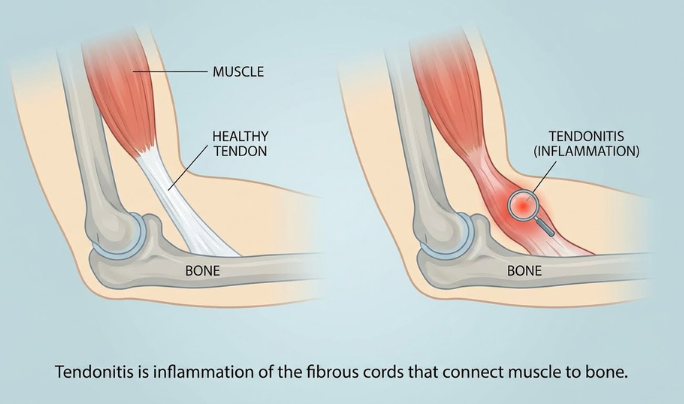
Tendonitis is inflammation of the fibrous cords that connect muscle to bone. Healthy tendons glide smoothly, transmitting muscle force to joints; irritated tendons swell, accumulate micro-tears, and grow stiff, making every motion feel abrasive.
- More info
Age-related changes, repetitive loading, or sudden spikes in activity leave collagen fibers less elastic and more vulnerable to friction. Without thoughtful care, the cycle of inflammation and scarring repeats, gradually weakening the tendon and reducing range of motion. Effective tendonitis treatments break that cycle by calming acute irritation, repairing damaged fibers, and retraining muscles to share the workload evenly.
Tendonitis vs. Tendinosis
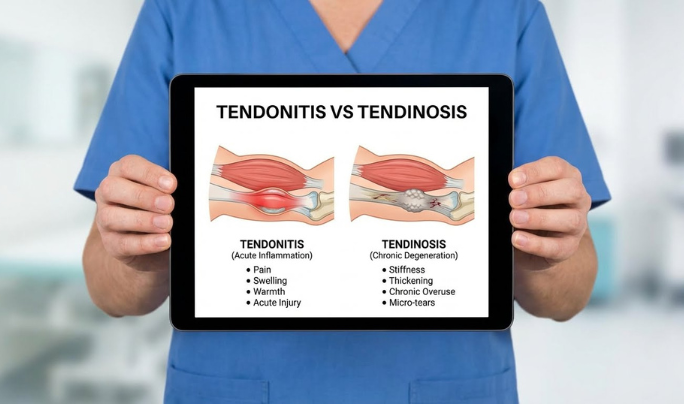
Tendonitis describes acute inflammation. Tendinosis names the chronic degeneration that follows repeated flare-ups—collagen fibers fray, blood supply dwindles, and healing slows. Fairfax Station Chiropractic screens for both; an accurate diagnosis guides whether you need anti-inflammatory care, regenerative therapy, or long-term remodeling exercises.
Tendonitis Risk Factors
- Repetitive work (typing, assembly, custodial tasks) and overhead sports (swimming, tennis, baseball)
- Sudden training increases without recovery days
- Poor biomechanics such as tight hips, rounded shoulders, or flat feet
- Systemic contributors like diabetes, thyroid imbalance, or autoimmune disease
- Age-related collagen changes and reduced tendon elasticity

Signs You May Have Tendonitis
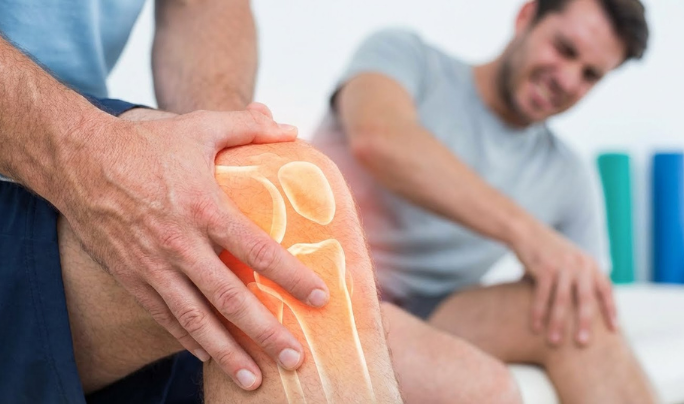
- Achy or burning pain around a joint that worsens with movement
- Morning stiffness or discomfort after resting|
- Swelling, warmth, or thickened tissue along the tendon
- Crepitus—a gritty, crackling sensation when the joint moves
- Decreased strength or difficulty gripping, reaching, or climbing stairs
Self-Care for Acute Flare-Ups
- Short rest periods or bracing to minimize aggravating motions
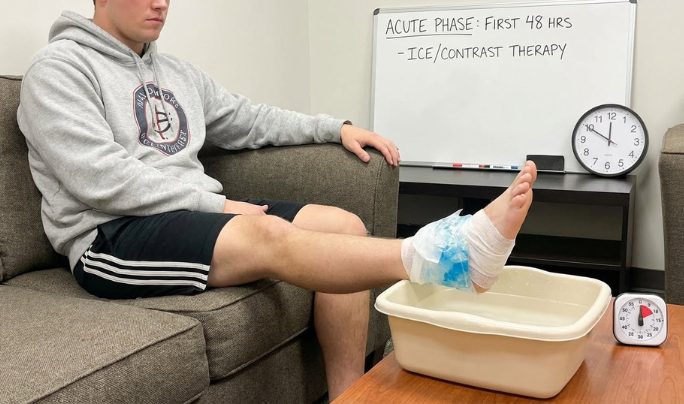
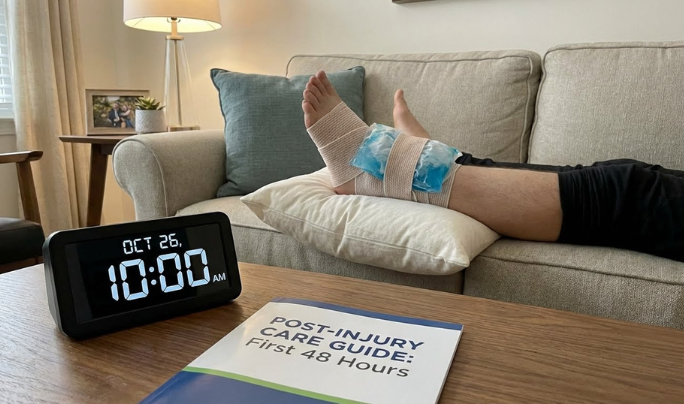
- Ice or contrast therapy in the first 48 hours
- Over-the-counter NSAIDs when appropriate
- Gentle range-of-motion drills once sharp pain eases
- Ergonomic adjustments and cross-training to limit recurrence
When to Seek Professional Help
Persistent pain beyond a week, recurring flare-ups, or functional limits (e.g., difficulty lifting a bag or climbing stairs) signal the need for clinical care. Untreated tendonitis can progress to partial tears, chronic degenerative tendinosis, or compensatory joint injuries.
Fairfax Station Chiropractic Tendonitis Treatments
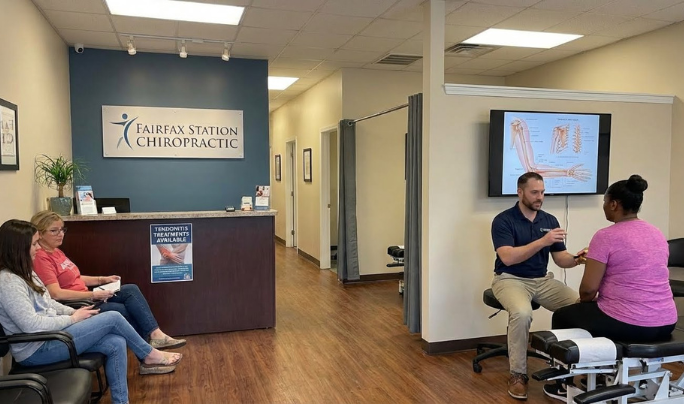
Every plan begins with a thorough assessment: digital posture scans, orthopedic testing, strength and flexibility screening, and—when needed—co-management with imaging or lab work. From there we layer targeted therapies that address each stage of tendon healing.
Phase 1: Calm Inflammation & Relieve Pain
- Chiropractic Adjustments: Restore joint alignment and reduce excess tendon loading.
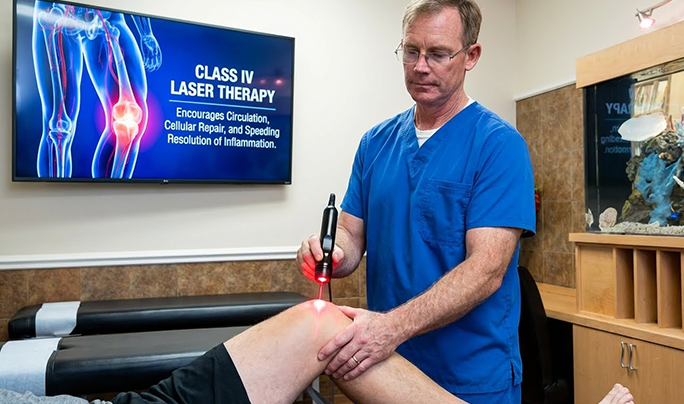
- Class IV Laser Therapy: Encourages circulation and cellular repair, speeding resolution of inflammation.
- Instrument-Assisted Soft-Tissue Mobilization (IASTM): Breaks down adhesions, promoting fresh collagen deposition.
- Electrotherapy & Ultrasound: Modulates pain signals and drives nutrient-rich blood flow into the tendon sheath.
Phase 2: Restore Flexibility & Mobility
- Guided Stretching & Mobility Drills: Rebalance stiff muscle groups that overload the tendon.
- Myofascial Release & Cupping: Improve tissue glide and reduce scar buildup.
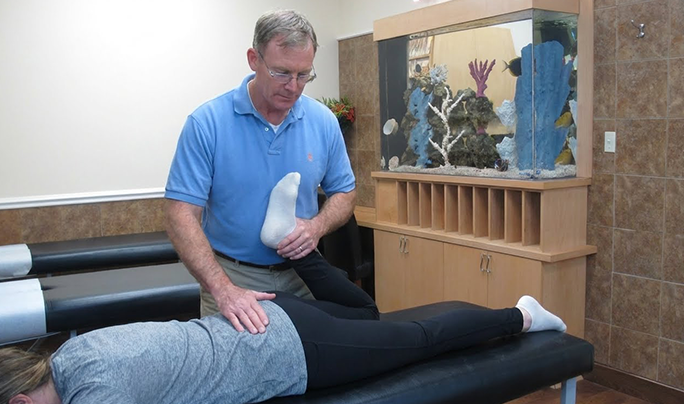
- Corrective Exercise: Re-trains movement patterns—hip hinging, shoulder stability, ankle control—to unload stressed tendons.
Phase 3: Strengthen & Future-Proof
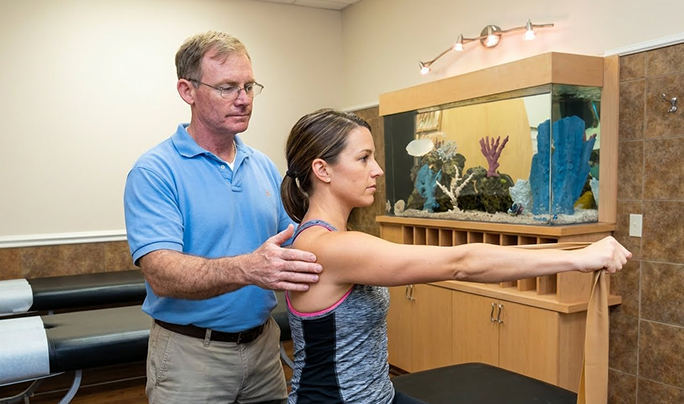
- Progressive Eccentric Strengthening: Proven to rebuild tendon fibers by encouraging controlled lengthening under load.
- Neuromuscular Re-education: Reinforces proper activation timing between prime movers and stabilizers.
- Return-to-Play or Return-to-Work Coaching: Graduated activity plans keep you moving without re-injury.
Advanced & Regenerative Options
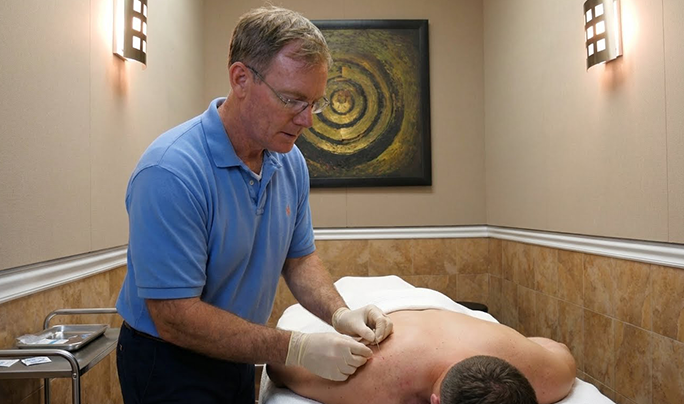
- Dry Needling: Targets trigger points and stimulates local healing.
- Nutritional Guidance: Anti-inflammatory diets and supplements that support collagen synthesis.
- Referrals for PRP or Orthobiologics: Partner specialists provide platelet-rich plasma injections when advanced regeneration is warranted.
Why Our Tendonitis Treatments Work
- Holistic Diagnostics: We treat the entire kinetic chain, not just the painful spot.
- Customized Programming: Plans match your sport, job demands, and healing timeline.
- Integrated Care Team: Chiropractors, rehab specialists, and massage therapists collaborate.
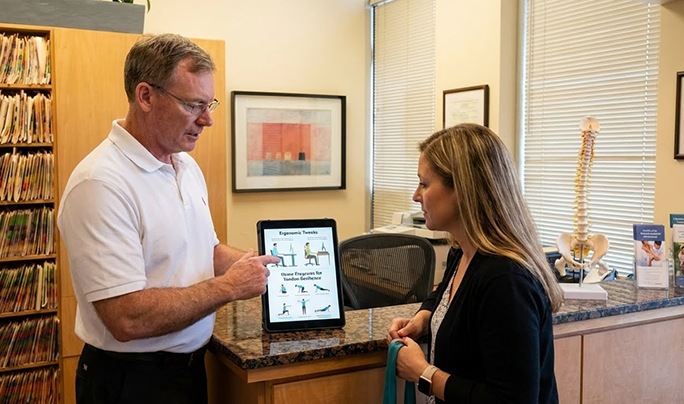
- Education & Prevention: We teach ergonomic tweaks and home programs to keep tendons resilient.
Frequently Asked Questions
- Q: How long until I feel relief?
A: Most patients note meaningful improvement within 4–6 weeks of consistent care; chronic cases may take longer as scar tissue remodels.
- Q: Is tendonitis treatment painful?
A: We adapt techniques to your tolerance. Early sessions emphasize comfort; as inflammation drops, we gradually load the tendon to build strength.
- Q: Can I keep exercising?
A: We rarely recommend complete rest. Instead, we modify workouts to protect the injured tendon while keeping you active.
- Q: Do I need imaging?
A: Not always. We order MRI or ultrasound only when symptoms suggest a rupture, advanced degeneration, or another diagnosis.