Back Pain and Sciatica Treatment
Targeted, non-surgical care designed to reduce pain, restore movement, and keep flare-ups from returning.
Back Pain and Sciatica Treatment in Fairfax Station, VA
Targeted, non-surgical care designed to reduce pain, restore movement, and keep flare-ups from returning.
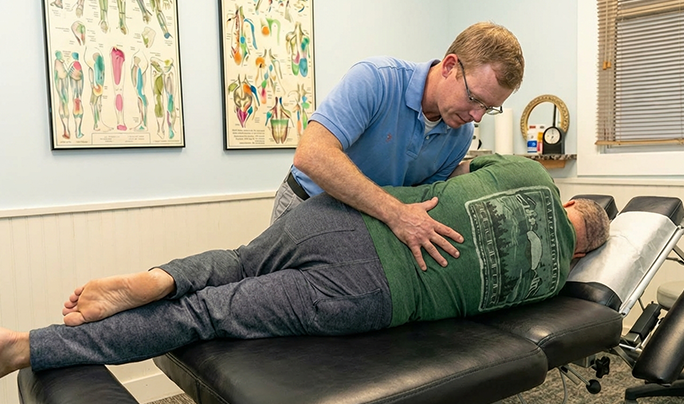
Back pain and sciatica are among the most common reasons people seek chiropractic care. They disrupt sleep, limit activity, and make simple tasks feel harder than they should. Our clinic focuses on identifying the mechanical and neurological drivers behind your symptoms, then building a structured treatment plan that moves you from relief to long-term stability.
Understanding Back Pain and Sciatica
“Back pain” is a broad term that can involve muscles, joints, discs, or nerves. Sciatica is more specific and occurs when the sciatic nerve becomes irritated or compressed, often producing pain that travels from the lower back into the hip and down one leg.
Common contributors we evaluate include:
- Muscle strains and ligament sprains from lifting or awkward movement
- Disc irritation, bulges, or degenerative changes
- Spinal or facet joint inflammation
- Pelvic and hip imbalances affecting spinal loading
- Sciatic nerve irritation causing radiating leg pain
- Postural stress from prolonged sitting, driving, or device use
- Pregnancy and postpartum biomechanical changes
- Repetitive occupational or athletic stress
- More info
Every new patient visit includes orthopedic and neurological testing, posture analysis, range-of-motion assessment, and a detailed health history. If imaging is clinically appropriate, we coordinate referrals and review findings with you.

Symptoms Patients Commonly Report
Back pain and sciatica may present differently, but many patients describe:
- Persistent low back stiffness or aching
- Sharp or shooting pain with bending or standing
- Burning or electric-like pain down one leg
- Numbness or tingling in the hip, thigh, or foot
- Muscle tightness or spasms
- Difficulty sitting, walking, or sleeping comfortably
Early evaluation allows us to intervene before compensations and chronic pain patterns develop.
Phased Care That Matches Your Goals
Our care model follows a progression designed to stabilize results rather than chase temporary relief.
Relief Phase
Focus: Calm pain and inflammation, improve comfort, restore basic mobility.
May include:
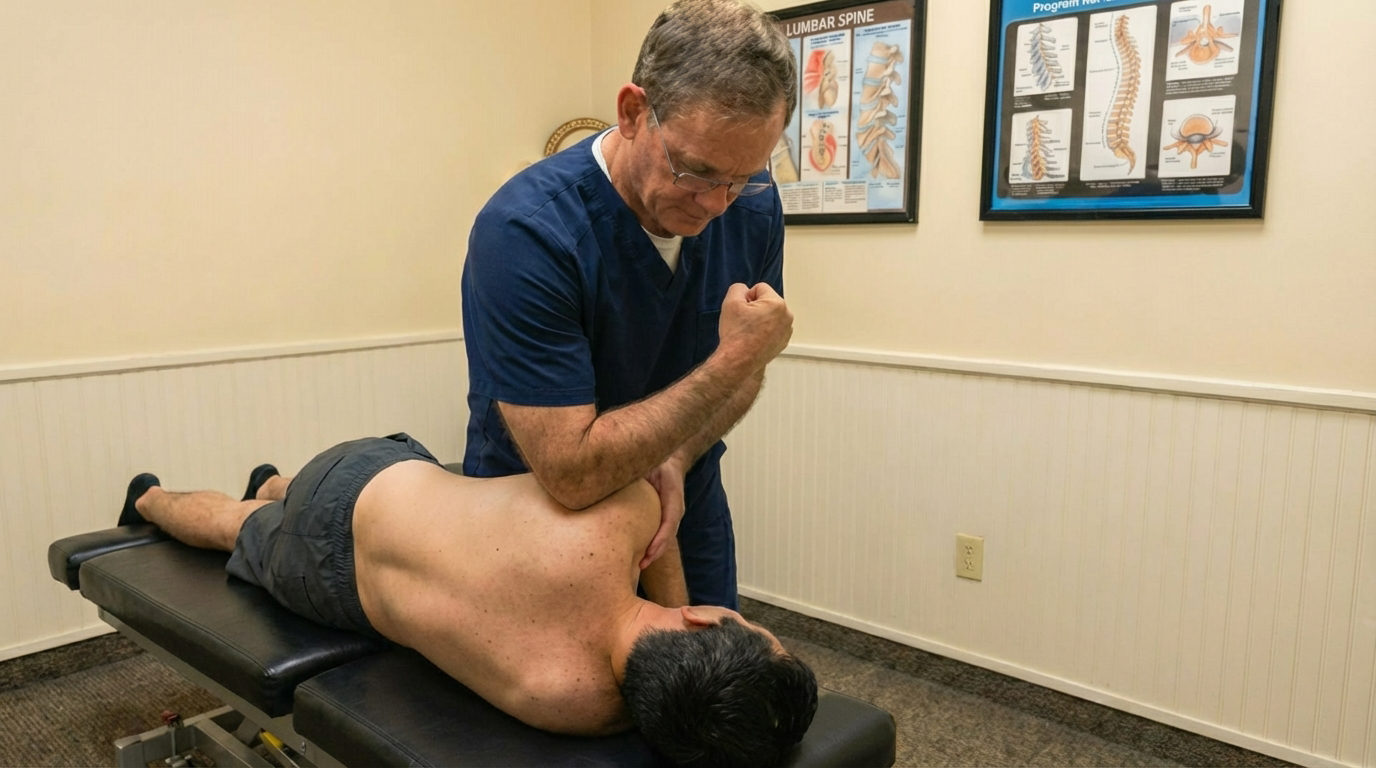
- Gentle chiropractic adjustments
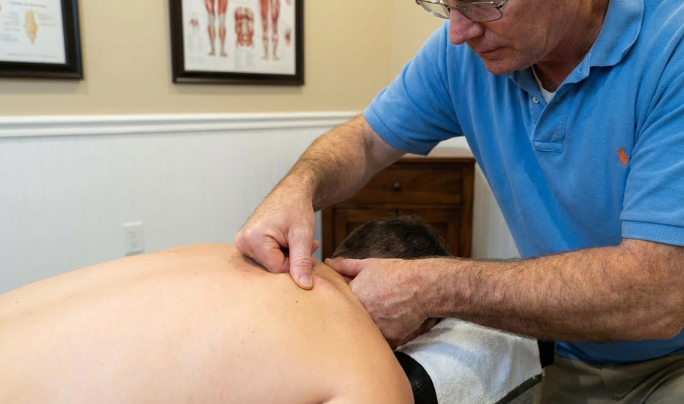
- Trigger point therapy and soft tissue release
- Electrotherapy modalities
- Therapeutic ultrasound when indicated
- Ice or heat therapy strategies

Corrective Phase
Focus: Address underlying movement dysfunction and mechanical stressors.
May include:
- Customized stretching and strengthening programs
- Core stabilization and hip mechanics training
- Postural and ergonomic coaching
- Neuromuscular re-education
Wellness Phase
Focus: Maintain spinal resilience and reduce recurrence risk.
May include:
- Periodic maintenance adjustments
- Updated home mobility routines
- Lifestyle and workstation guidance
- Massage therapy for muscle balance
- More info
Acupuncture & Dry Needling: Needle-based techniques calm inflammation, modulate pain signals, and encourage healing.
Electrotherapy: Electrical stimulation decreases swelling, improves muscle activation, and promotes tissue repair.
Spinal Decompression: Non-surgical traction relieves pressure on discs and facet joints, especially helpful for spinal arthritis.
Trigger Point Injections: In collaboration with licensed providers, injections release stubborn muscle knots associated with arthritic pain.
Vibration & Balance Therapy: Whole-body vibration improves circulation, proprioception, and mobility—excellent for stiffness and fall prevention.
Regenerative Treatments (via referral): Advanced options such as platelet-rich plasma (PRP) or A2M therapy may protect cartilage and support repair when conservative care alone isn’t enough.
Each plan is unique. We combine therapies in the sequence and frequency that best fit your body, schedule, and goals.

Treatment Approaches We Use
Chiropractic Adjustments
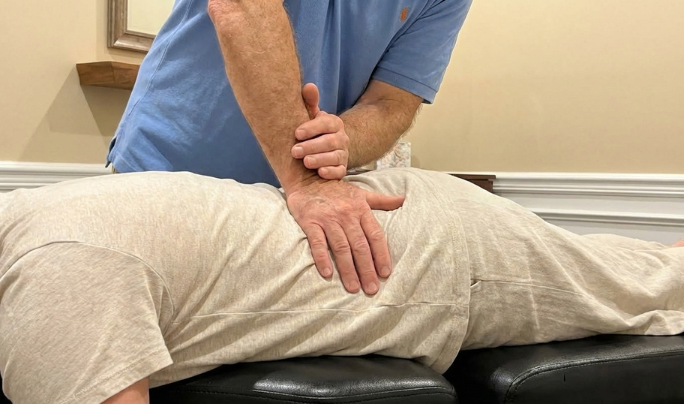
Targeted spinal and pelvic corrections help reduce joint stress, improve motion, and decrease nerve irritation.
Soft Tissue Therapies
Myofascial release, trigger point therapy, and instrument-assisted techniques help relax tight structures contributing to pain.
Corrective Exercise and Rehabilitation
Structured programs reinforce alignment changes, improve stability, and reduce reinjury risk.
Electrotherapy Modalities
Used to modulate pain signals, reduce muscle guarding, and support tissue recovery.
Massage Therapy
Helps relieve muscular tension and complements corrective and wellness phases.
When appropriate, we also coordinate with other medical providers if your condition requires multidisciplinary care.
Recovery Expectations
Most patients notice meaningful changes within the first few weeks of consistent care, though timelines vary based on:
- Severity and duration of symptoms
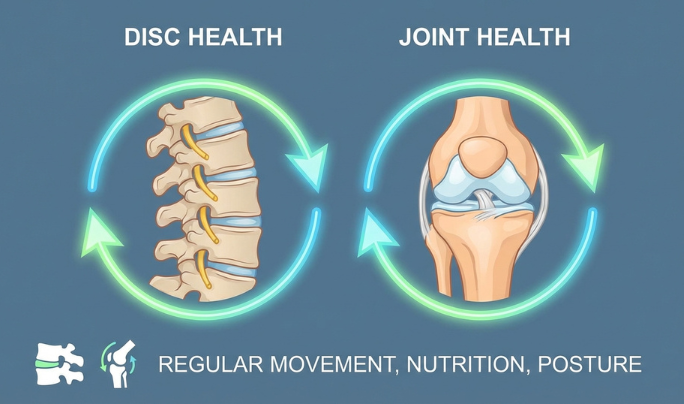
- Disc and joint health
- Daily physical demands
- Adherence to home recommendations
- Overall conditioning and lifestyle factors
Our goal is measurable functional improvement, not just short-term symptom suppression.
Frequently Asked Questions
- Q: How soon will I feel better?
A: Many patients report early improvement, but lasting results depend on correcting the underlying drivers of pain.
- Q: Do treatments hurt?
A: Care is tailored to your comfort level. Low-force and gentle techniques are available for sensitive patients.
- Q: Can I keep exercising?
A: In most cases, yes. We often modify rather than restrict activity and provide guidance on movement.
- Q: Do you accept insurance?
A: Coverage varies by plan. Our team can review your benefits and explain options.