Comprehensive Fairfax Station Hip Pain Treatments
Chiropractic and rehabilitative care to improve hip alignment, reduce pain, and restore joint mobility.
Comprehensive Fairfax Station Hip Pain Treatments
Chiropractic and rehabilitative care to improve hip alignment, reduce pain, and restore joint mobility.

Living with hip pain can derail even the simplest routines—from getting out of bed to standing at work or enjoying a weekend hike. At Fairfax Station Chiropractic, we craft personalized care plans that relieve discomfort, rebuild strength, and restore confidence.
- More info
Our integrative clinicians blend chiropractic care, rehabilitative therapies, regenerative techniques, and lifestyle coaching to deliver high-quality Fairfax Station hip pain treatments tailored to your body.
We look beyond symptoms to uncover root causes, combine evidence-based therapies, and coach you on movement habits that protect your joints for the long haul. Whether you’re coping with arthritis, athletic overuse, or post-surgical stiffness, our team guides you through every phase of healing.
Common Sources of Hip Pain
Identifying the underlying driver of your pain ensures every therapy addresses the true issue.
- Hip Osteoarthritis – Degenerated cartilage and bone spurs reduce joint space, causing grinding pain, inflammation, and a progressive loss of flexibility. Early intervention slows joint changes, improves mobility, and can delay or prevent surgery.
- Rheumatoid Arthritis – Autoimmune inflammation attacks joint linings, damaging cartilage and ligaments. Coordinated care stabilizes the joint, calms immune flare-ups, and protects long-term mobility.
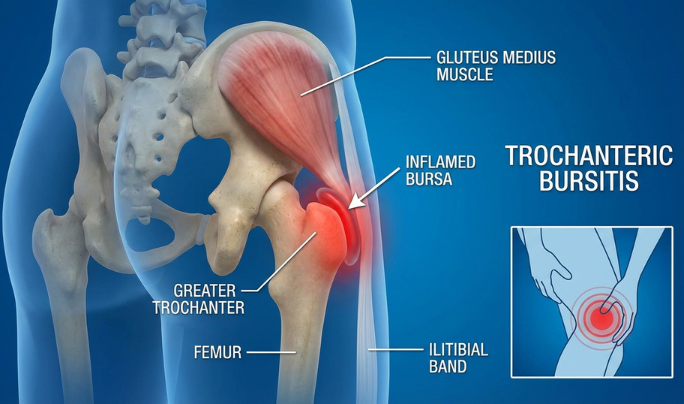
- Trochanteric Bursitis – Irritated bursae in the outer hip produce sharp lateral pain, often triggered by overuse, running on slanted surfaces, or direct impact. Proper loading patterns resolve inflammation and prevent recurrence.
- Labral Tears & Soft Tissue Injuries – Sports trauma, repetitive motion, or poor biomechanics strain the labrum and surrounding tissues, leading to instability, catching sensations, and reduced range of motion.
- Lower Back & Pelvic Alignment Issues – Sacroiliac dysfunction, lumbar disc herniations, or pelvic torsion create radiating pain that mimics hip problems. Correcting spinal alignment reduces nerve irritation and normalizes muscle firing patterns.
Common Triggers
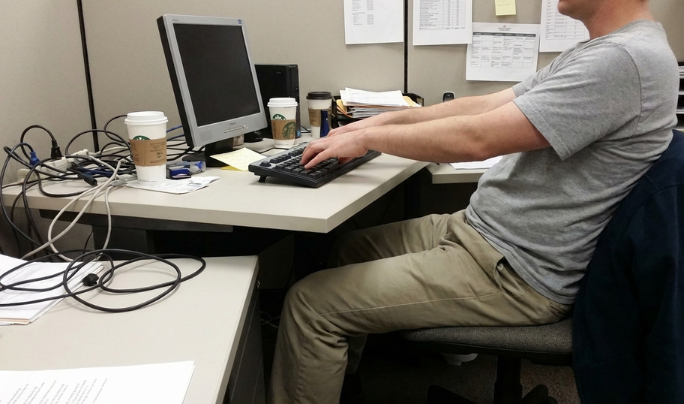
- Repetitive office work, assembly-line duties, or prolonged tool use
- Poor workstation ergonomics or unsupported wrists
- Hormonal shifts, metabolic changes, or systemic inflammation
- Traumatic injuries, fractures, or scar tissue near the wrist
- Cervical spine misalignments that alter nerve flow into the arm
Symptoms of Hip Pain
Pinpointing your everyday warning signs helps us design targeted care:
- Persistent aching in the groin, buttock, or outer hip that worsens after long periods on your feet
- Sharp, stabbing sensations when standing up, walking, or climbing stairs that may ease with rest but return quickly
- Audible or palpable clicking, popping, or catching in the joint that signals soft tissue involvement
- Numbness, tingling, or burning that radiates down the thigh or into the knee as nerves become compressed or inflamed
- Morning stiffness that makes the first steps difficult, followed by tightness after sitting or driving
- Difficulty bearing weight, keeping balance, or performing single-leg activities such as putting on shoes
We encourage patients to track when symptoms flare, what movements make them worse, and any activities that provide relief. This insight informs more precise Fairfax Station hip pain treatments.

Traditional Treatment Options for Hip Pain
Conventional medical care can provide short-term relief but often overlooks root causes.
- NSAIDs and Anti-Inflammatory Medication – Helpful for calming acute inflammation, yet long-term use may irritate the stomach or cardiovascular system.
- Corticosteroid Injections – Deliver rapid anti-inflammatory effects but may accelerate cartilage breakdown if repeated too often.
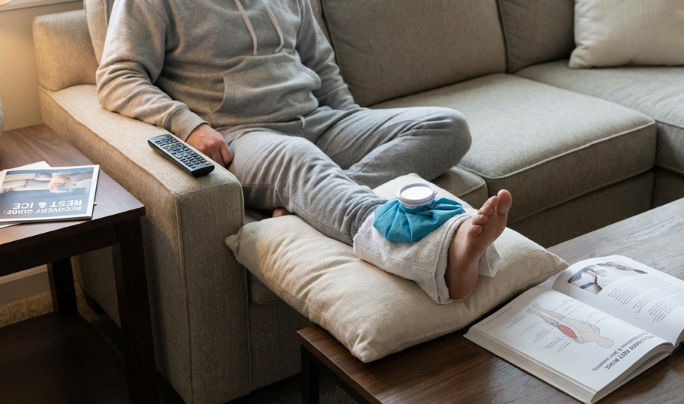
- Rest and Ice Therapy – Effective immediately after injury, though prolonged rest can contribute to muscle weakness and joint instability.
- Surgery – Hip arthroscopy or joint replacement is sometimes necessary for advanced degeneration or structural damage. Prehab and post-surgical rehab are still essential for optimal outcomes.
We frequently collaborate with orthopedists and primary care physicians to combine these tools with restorative Fairfax Station hip pain treatments.
Our Collaborative Evaluation
A thorough intake ensures you receive an individualized plan rather than a one-size-fits-all protocol.
- Detailed Health History – We chart injury history, occupational demands, sleeping habits, footwear choices, and past treatments to map the full picture.
- Functional Testing – Orthopedic exams, muscle strength testing, gait analysis, and balance screenings identify compensation patterns and weak links.
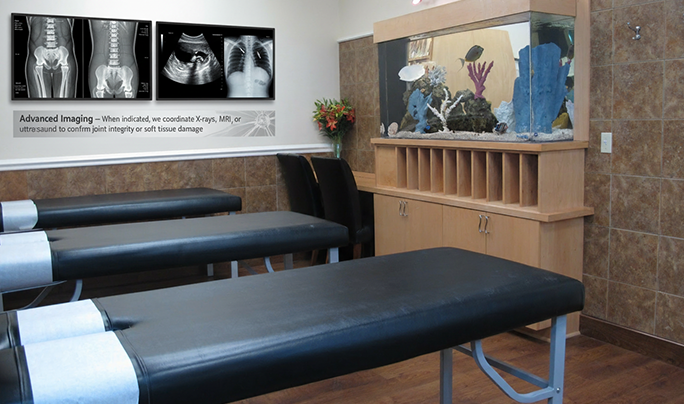
- Advanced Imaging – When indicated, we coordinate X-rays, MRI, or ultrasound to confirm joint integrity or soft tissue damage.
- Personalized Goal Setting – Whether you want pain-free daily living, a return to sport, or robust retirement activity, we align your plan with your goals and timeline.
- Progress Tracking – Reassessments throughout care provide objective metrics—range of motion, strength, functional tests—to keep your Fairfax Station hip pain treatments responsive and effective.
We encourage patients to track when symptoms flare, what movements make them worse, and any activities that provide relief. This insight informs more precise Fairfax Station hip pain treatments.
Fairfax Station Hip Pain Treatment Options
Our multidisciplinary toolbox allows us to combine targeted techniques for personalized results.
Chiropractic Adjustments
Gentle, precise adjustments correct misalignments in the lumbar spine, sacroiliac joint, and pelvis. Restoring alignment reduces nerve interference, improves load distribution, and calms inflammation.
Corrective Exercises & Therapy
We prescribe progressive strength, stability, and flexibility routines to rebuild hip mechanics. Emphasis on glute activation, core stability, and hip mobility protects the joint during daily activities and athletics.
Soft Tissue Release & Massage Therapy
Manual therapy, myofascial release, and instrument-assisted soft tissue mobilization (IASTM) break up adhesions, improve circulation, and relieve chronic muscle guarding around the hip.
Active Release Technique (ART)
This targeted approach lengthens and releases scar tissue in muscles, tendons, fascia, and nerves. ART restores smooth motion, reduces entrapment, and speeds up recovery from overuse injuries.
Dry Needling
Trigger-point dry needling resets hypertonic muscle fibers, lowers pain signals, and improves blood flow. We often combine it with corrective exercise to secure long-term relief.
Electrotherapy & Ultrasound
Reduce edema, promote tissue oxygenation, and provide targeted analgesia during recovery.
Cupping
Improve circulation, decrease muscle tension, and encourage systemic balance for chronic hip pain patients.
Lifestyle & Ergonomic Coaching
We advise on workspace ergonomics, sleeping positions, footwear, and activity modifications to minimize reinjury. Education empowers you to maintain your progress between visits.
Regenerative & Advanced Modalities
- Platelet-Rich Plasma (PRP) – Concentrated plasma delivers growth factors that stimulate cellular repair of ligaments, tendons, and cartilage.
- Platelet-Rich Fibrin (PRF) – A fibrin matrix keeps growth factors active longer, supporting gradual, sustained healing in stubborn injuries.
- Alpha-2-Macroglobulin (A2M) – This natural inhibitor neutralizes catabolic enzymes that degrade cartilage, slowing degenerative changes.
- Cellular Allograft Products – Biologic tissue scaffolds support regeneration when the body needs an extra boost to repair damage.
- Electrotherapy & Ultrasound – Reduce edema, promote tissue oxygenation, and provide targeted analgesia during recovery.|
- Cupping & Acupuncture – Improve circulation, decrease muscle tension, and encourage systemic balance for chronic hip pain patients.
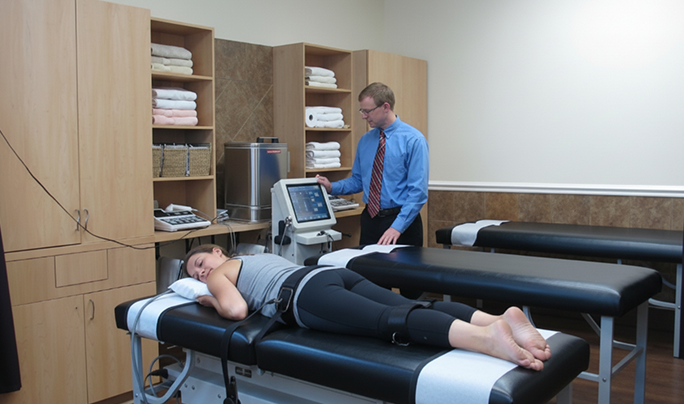
- Spinal Decompression – For hip pain with spinal origins, decompression lowers disc pressure, alleviating nerve irritation and referred symptoms.
Lifestyle & Ergonomic Coaching
We advise on workspace ergonomics, sleeping positions, footwear, and activity modifications to minimize reinjury. Education empowers you to maintain your progress between visits.

Frequently Asked Questions
- Q: How soon will I feel better?
A: Many patients report easier movement and reduced discomfort after the first few sessions. Chronic conditions often require a structured plan of corrective exercises and progressive therapies to achieve lasting change. We establish checkpoints to celebrate wins and adjust your plan as needed.
- Q: Am I a candidate for Fairfax Station hip pain treatments?
A: If hip discomfort limits how you walk, sleep, work, or play—even if pain stems from the spine or pelvis—you’re a strong candidate. Our evaluation determines whether conservative care, a collaborative medical approach, or a surgical referral best fits your situation.
- Q: Do you accept insurance?
A: Our administrative team verifies coverage, outlines copays or deductibles, and explains flexible payment options. We aim to remove financial barriers so you can focus on healing.
- Q: Can I stay active during treatment?
A: Whenever possible, we keep you moving with modified activities that support progress. Your plan may include home exercises, stretch routines, and guidelines for returning to workouts or sports safely.