Foot and Knee Pain Treatment
Conservative, movement-focused care designed to reduce pain, restore alignment, and improve daily mobility.
Foot and Knee Pain Treatment
Conservative, movement-focused care designed to reduce pain, restore alignment, and improve daily mobility.
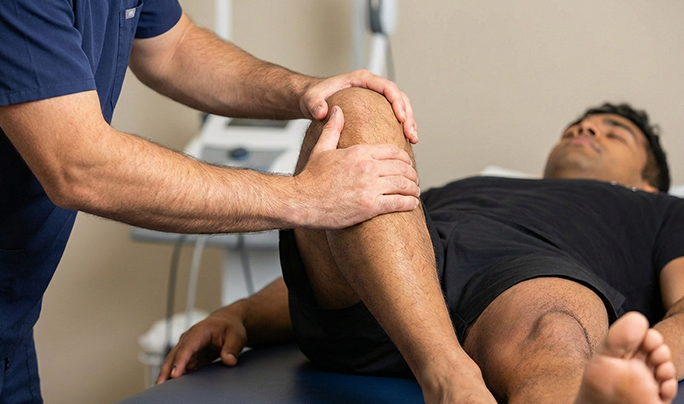
Foot and knee pain often travel together. Changes in foot mechanics alter how force is transmitted through the leg, while knee dysfunction often shifts stress to the ankle and arch. Our clinical approach focuses on identifying these interconnected patterns so treatment targets the true drivers of discomfort rather than isolated symptoms.
Why Foot and Knee Pain Commonly Overlap
The lower body functions as a chain. When one link loses stability or mobility, adjacent joints compensate.
Common mechanical relationships we evaluate:
- Foot instability increases knee loading
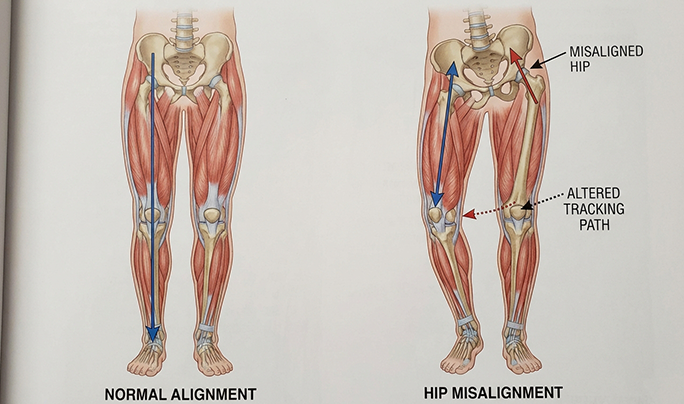
- Hip misalignment alters knee tracking
- Tight calf and ankle structures affecting gait
- Repetitive impact or occupational strain
- Degenerative joint changes
- Postural habits and footwear effects
A careful evaluation matters because the place where pain shows up is not always the place where the problem starts.
Common Causes of Foot and Knee Pain
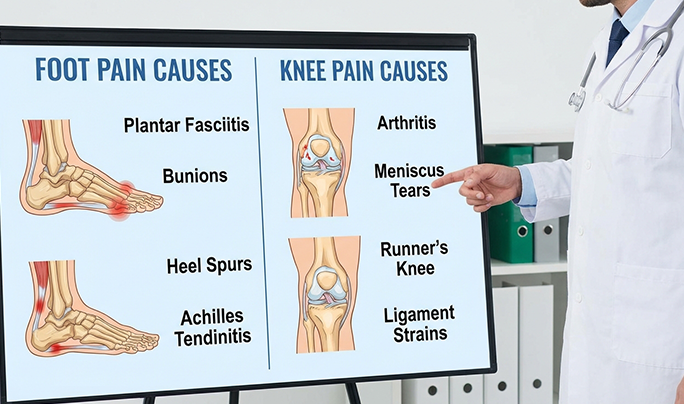
Foot Pain Contributors
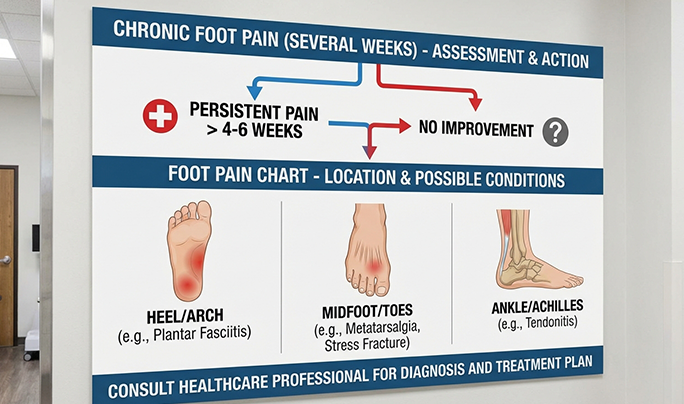
- Plantar fascia irritation and heel inflammation
- Flat feet or high arches affect pressure distribution
- Achilles tendon stress and overuse
- Nerve irritation or neuropathic symptoms
- Sports and occupational overloading
- Arthritic joint degeneration
Knee Pain Contributors
- Cartilage wear and degenerative conditions
- Repetitive strain and biomechanical overload
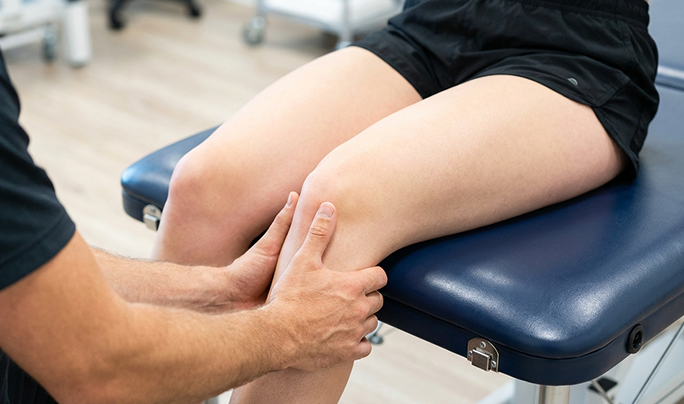
- Ligament or meniscus injury patterns
- Structural misalignments from hips or feet
- Weight-bearing and lifestyle stressors
Warning Signs That Warrant Evaluation
Persistent discomfort may indicate underlying mechanical stress.
- Pain lasting several weeks without improvement
- Morning stiffness or startup pain
- Recurrent swelling or inflammation
- Instability, shifting, or giving-way sensations
- Tingling, burning, or numbness
- Difficulty walking, climbing stairs, or standing
Early intervention prevents compensation patterns that frequently spread symptoms to adjacent joints.
Our Integrated Treatment Approach
Chiropractic Adjustments
Targeted corrections improve motion and reduce mechanical stress across the feet, knees, hips, and spine.
Custom Orthotics and Gait Support
Personalized support helps balance pressure distribution and stabilize walking mechanics.
Corrective Rehabilitation
Strengthening and mobility protocols restore muscular balance and joint control.
Soft Tissue Therapy
Myofascial release and trigger point techniques reduce tension and improve circulation.
Therapeutic Modalities
Electrotherapy and ultrasound strategies help calm irritated tissues when clinically appropriate.
Because foot and knee symptoms often share biomechanical roots, care plans address the entire movement system rather than isolated regions.
Why Patients Choose Our Clinic
- Conservative, non-surgical approach
- Personalized treatment plans
- Focus on movement and function
- Care designed to help prevent future flare-ups
- Convenient Fairfax Station location
- More info
Acupuncture & Dry Needling: Needle-based techniques calm inflammation, modulate pain signals, and encourage healing.
Electrotherapy: Electrical stimulation decreases swelling, improves muscle activation, and promotes tissue repair.
Spinal Decompression: Non-surgical traction relieves pressure on discs and facet joints, especially helpful for spinal arthritis.
Trigger Point Injections: In collaboration with licensed providers, injections release stubborn muscle knots associated with arthritic pain.
Vibration & Balance Therapy: Whole-body vibration improves circulation, proprioception, and mobility—excellent for stiffness and fall prevention.
Regenerative Treatments (via referral): Advanced options such as platelet-rich plasma (PRP) or A2M therapy may protect cartilage and support repair when conservative care alone isn’t enough.
Each plan is unique. We combine therapies in the sequence and frequency that best fit your body, schedule, and goals.

Frequently Asked Questions
- Q: How long does treatment take?
A: Timelines vary based on condition severity, tissue health, and daily mechanical stressors.
- Q: Will care be customized?
A: Every treatment plan reflects individual biomechanics, lifestyle demands, and tolerance levels.
- Q: Can this help avoid surgery?
A: Many mechanical and overuse conditions respond well to conservative care when addressed early.
- Q: Do I need a referral?
A: Most patients can schedule directly. Insurance policies may vary.