
Carpal Tunnel and Elbow Pain Treatment
Conservative care to reduce nerve and tendon irritation, restore upper-extremity mechanics, and improve daily function.
Carpal Tunnel and Elbow Pain Treatment
Conservative care to reduce nerve and tendon irritation, restore upper-extremity mechanics, and improve daily function.
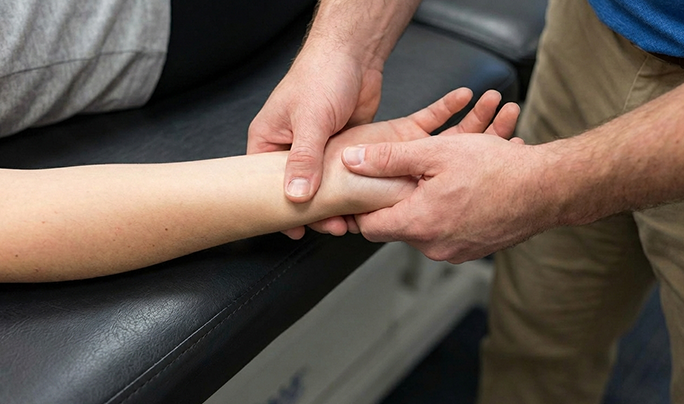
Hand numbness, wrist tingling, and elbow pain often show up together, especially for people who type a lot, use tools, lift often, or play sports. Dr. Christopher Virusky looks beyond the area that hurts and checks how the neck, shoulder, elbow, wrist, and hand are all working together. The goal is to calm flare-ups, improve strength, and help support lasting results with conservative care.
What We Treat
Carpal Tunnel Syndrome
Carpal tunnel syndrome happens when the median nerve gets compressed inside the wrist tunnel, causing tingling, numbness, weakness, night symptoms, and reduced grip or pinch strength.
Common triggers we see:
- Repetitive keyboard/mouse work, tool use, assembly-line tasks
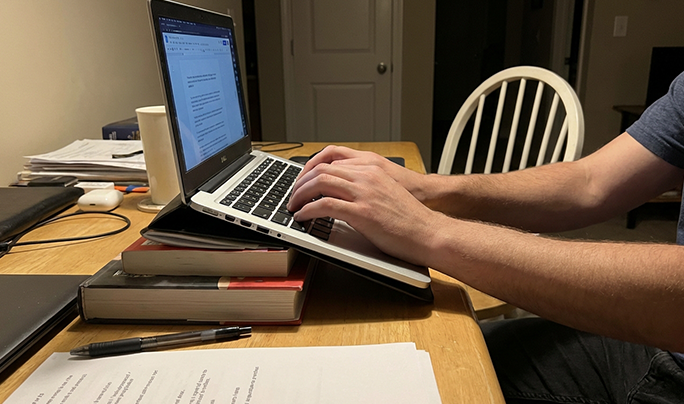
- Unsupported wrists and poor workstation setup
- Inflammation and swelling patterns (including hormonal/metabolic factors)
- Old injuries, scar tissue, or repetitive strain at the wrist
- Cervical or shoulder mechanics that reduce healthy nerve flow into the arm
Hallmark symptoms:
- Numbness/tingling in thumb, index, middle, and part of ring finger
- Night waking, hand “falling asleep,” shaking the hand for relief
- Weak grip, clumsiness, dropping objects
- Burning or aching that can travel up the forearm

Elbow Pain
Elbow pain often comes from tendon overload or nerve irritation, and it can feel sharp, achy, or “pinchy” with gripping, lifting, typing, or sports.
Common causes we address:
- Tennis elbow (lateral epicondylitis)
- Golfer’s elbow (medial epicondylitis)
- Bursitis (olecranon swelling)
- Tendinitis/tendinosis (micro-tears or degeneration)
- Radial tunnel syndrome (nerve irritation mimicking tennis elbow)
- Arthritic or degenerative joint changes
Signs You Should Get Checked
- Tingling/numbness that keeps returning
- Night symptoms that interrupt sleep
- Weakness or reduced grip strength
- Pain with gripping, lifting, typing, or sports
- Forearm tightness, cramping, or referred pain to wrist/fingers
- Symptoms lasting more than 2–3 weeks or worsening over time
Early evaluation helps prevent chronic nerve irritation and stubborn tendon problems.
- More info
Acupuncture & Dry Needling: Needle-based techniques calm inflammation, modulate pain signals, and encourage healing.
Electrotherapy: Electrical stimulation decreases swelling, improves muscle activation, and promotes tissue repair.
Spinal Decompression: Non-surgical traction relieves pressure on discs and facet joints, especially helpful for spinal arthritis.
Trigger Point Injections: In collaboration with licensed providers, injections release stubborn muscle knots associated with arthritic pain.
Vibration & Balance Therapy: Whole-body vibration improves circulation, proprioception, and mobility—excellent for stiffness and fall prevention.
Regenerative Treatments (via referral): Advanced options such as platelet-rich plasma (PRP) or A2M therapy may protect cartilage and support repair when conservative care alone isn’t enough.
Each plan is unique. We combine therapies in the sequence and frequency that best fit your body, schedule, and goals.


Our Diagnostic Approach
We start with a detailed assessment to pinpoint the source of symptoms, which may include:
- Posture and workstation habit review
- Orthopedic and neurological testing
- Range-of-motion checks (neck, shoulder, elbow, wrist)
- Grip and functional strength screening
- Imaging coordination when clinically appropriate
This helps identify whether the problem is true nerve compression or another condition with similar symptoms, so the right care plan can be chosen.
Treatment Options We Use
Gentle Chiropractic Adjustments
Targeted adjustments for the wrist, elbow, shoulder, and cervical spine to improve joint mechanics and reduce nerve stress along the chain.
Rehab Exercises and Stretching
Guided mobility and strengthening for the hand, forearm, and upper back to improve endurance, reduce overload, and maintain gains between visits.
Soft Tissue Therapy
Manual therapy, myofascial release, instrument-assisted techniques, and massage to reduce forearm tightness, improve circulation, and decrease tissue irritation.
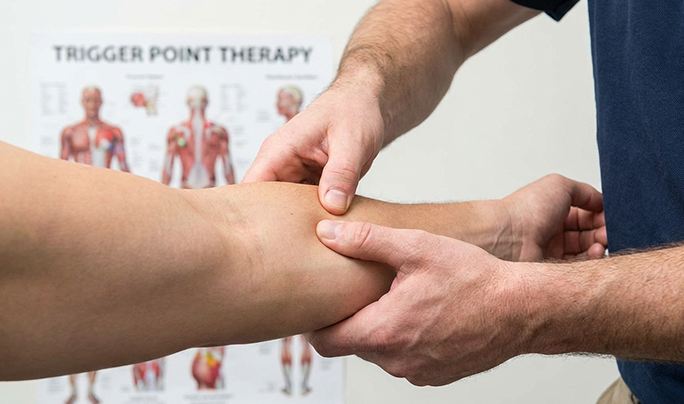
Trigger Point Therapy
Targeted manual techniques to calm overactive muscle fibers that can irritate nerves or refer discomfort into the wrist and fingers.
Electrotherapy Modalities
Microcurrent and interferential strategies may be used to support tissue recovery, reduce pain sensitivity, and decrease inflammation patterns.
Ergonomic Coaching
Practical changes to keyboard/mouse setup, wrist positioning, lifting mechanics, sleep posture, and daily habits to reduce recurrence.
Frequently Asked Questions
- Q: How long before I feel better?
A: Many patients notice early improvement, but timelines depend on severity, duration, and daily strain. We set clear milestones and adjust as you progress.
- Q: Do I have to wear a wrist brace?
A: Not always. Some patients benefit at night or during specific tasks. We’ll advise based on your exam findings and symptom triggers.
- Q: Can chiropractic care help me avoid surgery?
A: Many mild-to-moderate cases respond well to conservative care when addressed early and paired with rehab and habit correction.
- Q: What happens if I ignore symptoms?
A: Ongoing nerve compression can lead to persistent numbness, weakness, and reduced hand function. Early care helps protect long-term outcomes.