Rehabilitative Stretching and Strengthening in Fairfax Station That Actually Works
Tight muscles and weak areas often cause pain and limit your movement. By combining stretching and strengthening, we help restore flexibility, stability, and ease in everyday activities. Each session is guided to match your needs and comfort level.
Rehabilitative Stretching and Strengthening in Fairfax Station That Actually Works
Tight muscles and weak areas often cause pain and limit your movement. By combining stretching and strengthening, we help restore flexibility, stability, and ease in everyday activities. Each session is guided to match your needs and comfort level.
Why People Come to Us First
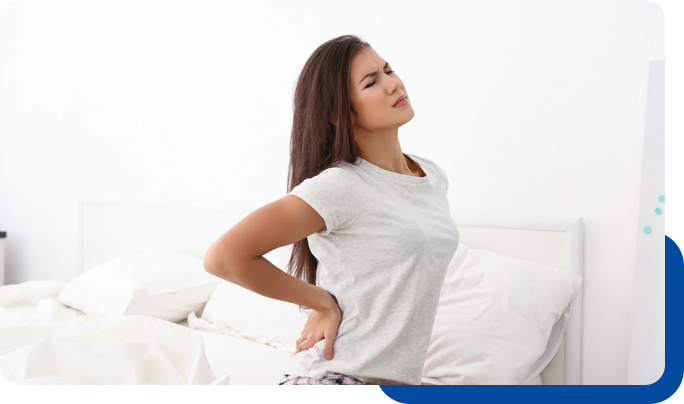
You wake up and your back just won’t move right. Your shoulder pinches every time you reach up. Even walking the dog makes your knee ache. That’s where we step in. Our focus is on getting your muscles and joints moving the way they should with one-on-one stretching and strengthening care.
No big gyms. No group classes. Just focused attention and real solutions designed to help you move comfortably again and get back to the things you enjoy.
What Is Rehabilitative Stretching and Strengthening?
Rehabilitative stretching and strengthening are targeted exercises designed to restore normal movement and support recovery. Stretching helps release tight muscles safely, while strengthening builds stability in weaker areas. Together, they improve flexibility, reduce pain, and prevent future injuries.
Stretching
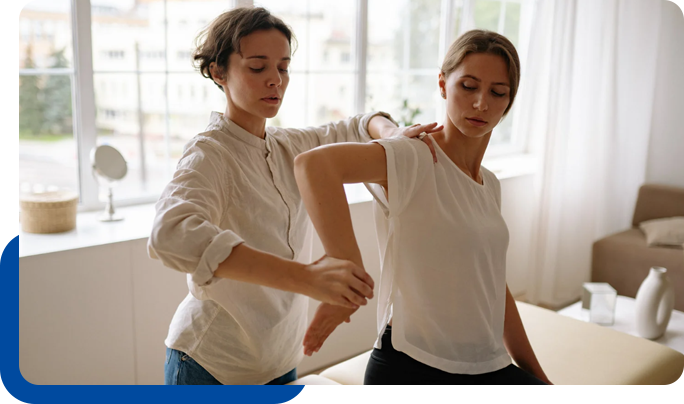
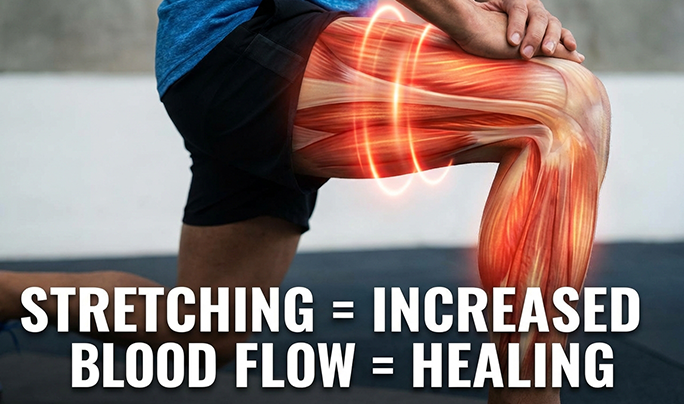
The most obvious and established benefit of stretching is to help with flexibility and range of motion. Stretching also increases blood flow to muscles which helps with healing. During active care this described benefit will help shorten recovery time and after discharge from active care a routine of less frequent but regular stretching will help prevent reoccurrence or new injury. Put simply when your body moves and works normally it functions better and can better deal with the stresses of daily living.
- More info
Tips for stretching:
Don’t bounce. Stretch in a smooth movement, without bouncing. Bouncing as you stretch can cause injury to your muscle.
Hold your stretch. Hold each stretch for about 30 seconds; in problem areas, you may need to hold for around 60 seconds. Breathe normally as you stretch.
Don’t aim for pain. Expect to feel tension while you’re stretching, not pain. If it hurts, you’ve pushed too far. Back off to the point where you don’t feel any pain, then hold the stretch.
Make stretches sport specific. Some evidence suggests that it’s helpful to do stretches tailored for your sport or activity. If you play soccer, for instance, you’re more vulnerable to hamstring strains. So opt for stretches that help your hamstrings.
Keep up with your stretching. Stretching can be time-consuming. But you can achieve the most benefits by stretching regularly, at least two to three times a week.
If you don’t stretch regularly, you risk losing any benefits that stretching offered. For instance, if stretching helped you increase your range of motion, and you stop stretching, your range of motion may decrease again.
Strengthening
Strengthening exercises can be used to improve your muscles’ ability and endurance. Exercise and physical activity deliver oxygen and nutrients to your tissues helping your health and healing.
- More info
Building endurance and training muscle balance are great ways to prevent injury. Many of today’s complaints of back, neck, shoulder, or discomfort in other areas are related to imbalance and weakness in the postural muscles of the neck, low back, and core.
Our treatment plan initially incorporates stretches to promote pain-free range of motion. As pain stops in the second phase of care, stabilization exercises are started to promote good posture and balance to prevent re-injury.

Why People Around Here Trust Us
Fairfax Station is built on community and integrity, and we believe your health care should work the same way. We focus on doing things right—building treatment plans that restore balance in your body, using stretching and strengthening methods that are carefully tailored and backed by experience. We’re not about quick fixes or flashy trends; we believe in real solutions that last.
Every time someone walks through our doors, we commit to clarity and follow-through. We take the time to understand your body’s needs, designing stretches to ease tension and strength work to support weak areas. Healing isn’t always easy, but doing it right means fewer setbacks and better long-term health.
Consistency matters. Day after day, session after session, our goal is to help people regain mobility, reduce pain, and move through life without being held back. Because when your muscles and joints work like they should, everything else gets easier.

Stretching Isn’t One-Size-Fits-All
Generic stretches don’t always work — and in some cases, they can make things worse. At our clinic, stretching is customized to your body, your specific pain points, and your recovery goals.
Whether your focus is simply standing taller without discomfort or regaining strength after athletic training, we design a plan that supports your progress safely and effectively. Every stretch is guided with purpose, so your body moves better and heals stronger.
Let’s Talk Real Quick About Posture Too
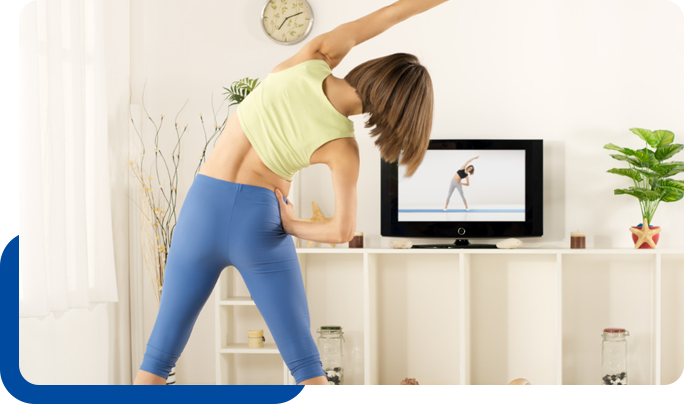
Poor posture isn’t just about slouching — it affects how your muscles move and can leave you stiff, sore, and unbalanced. That’s why we include posture work as part of care, focusing on simple corrections that make daily movement easier.
Instead of constant reminders to “sit up straight,” we teach practical ways to move smarter and support your body throughout the day. The goal is better alignment, less strain, and more comfort in everything you do.

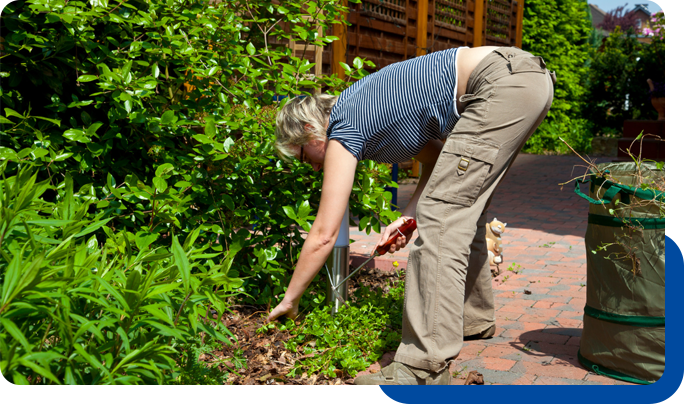
Local Tip: Stretching After Yard Work
Yard work can be tougher on your back than you think, especially after hours of bending, lifting, and pulling. A few minutes of stretching before you grab the rake or tackle the mulch can make all the difference. We’ll show you easy ways to loosen up so your muscles are ready for the work — and less sore afterward.