
Plantar Fasciitis Treatments
Specialized care to reduce heel pain, release tension in the plantar fascia, and improve walking mechanics.
Plantar Fasciitis Treatments
Specialized care to reduce heel pain, release tension in the plantar fascia, and improve walking mechanics.
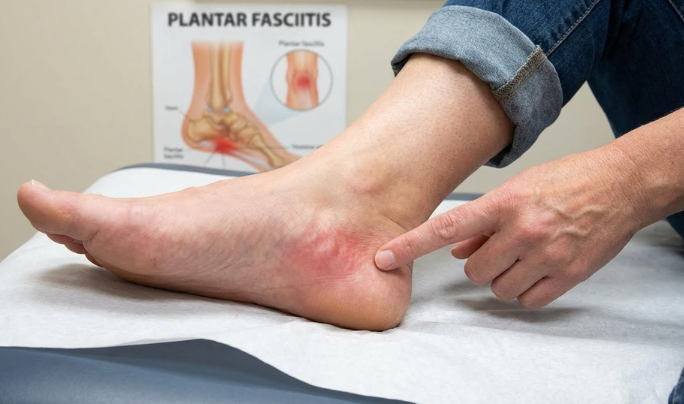
Searching for lasting relief from stubborn heel pain? Dr. Christopher Virusky provides conservative plantar fasciitis care designed to reduce inflammation, improve foot mechanics, and help you stay active. Treatment may include chiropractic care, soft-tissue therapy, and movement-based support tailored to your symptoms.
Understanding Plantar Fasciitis
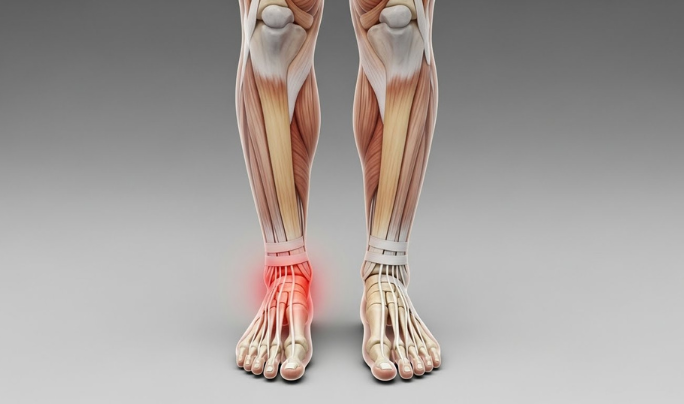
Plantar fasciitis is an inflammation or micro-tearing of the plantar fascia, the thick band of connective tissue that stretches from the heel to the base of your toes. This ligament supports your arch, absorbs shock, and stabilizes each step. When the fascia is overstressed or weakened, microscopic tears accumulate, triggering a pain cycle that is especially sharp with the first steps in the morning or after inactivity. Left unmanaged, the constant irritation can lead to chronic heel pain, altered gait, and compensation injuries up the kinetic chain.
Why It Happens
- Repetitive strain from running, jumping, or abrupt increases in training intensity
- Occupations that require prolonged standing on hard surfaces
- Foot biomechanics such as flat feet, high arches, or limited ankle mobility
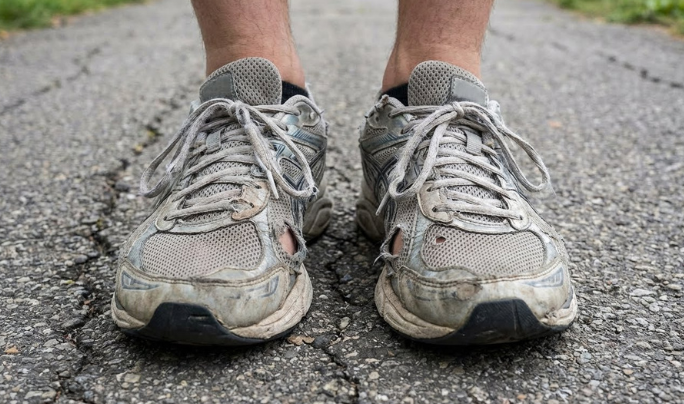
- Unsupportive footwear or worn-out athletic shoes
- Systemic stressors including excess body weight or inflammatory disorders
- Tightness in the calf, Achilles tendon, or intrinsic foot musculature
- Previous foot or ankle injuries that alter normal load distribution
Recognizing the Warning Signs
Early evaluation can help prevent the problem from getting worse. It may be time to get checked if you notice:
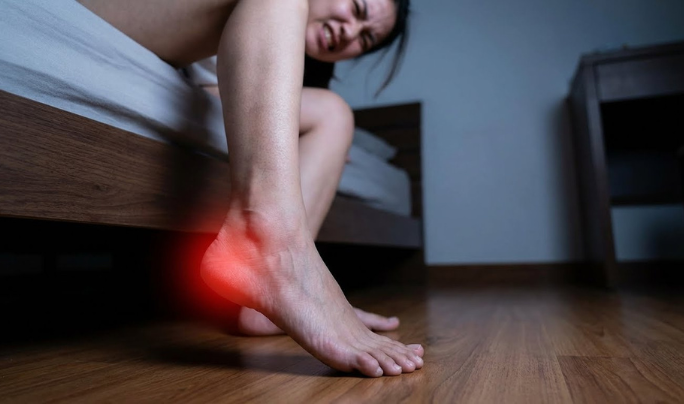
- Sharp, stabbing heel pain when stepping out of bed or after rest
- Aching or burning discomfort along the arch during a workout or work shift
- Swelling, tenderness, or warmth near the heel bone
- Difficulty standing on tiptoes or dorsiflexing the ankle
- Worsening pain after long periods of standing, walking, or activity
Fairfax Station Chiropractic: Your Heel Pain Specialists
How Plantar Fasciitis Is Evaluated
We craft individualized care plans to treat the root cause, not just the symptom. Your visit typically includes:
- Detailed history, gait analysis, and palpation of the fascia
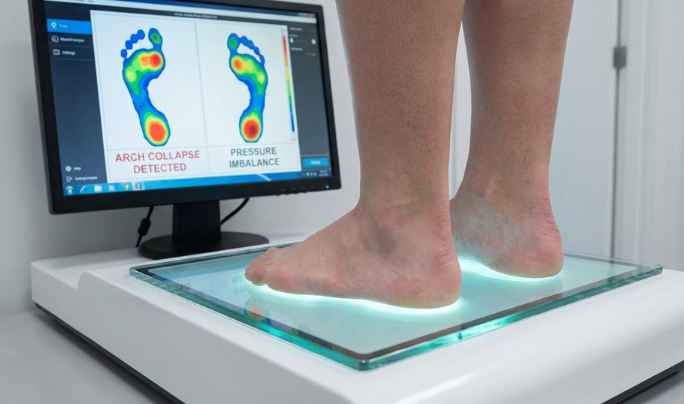
- Digital posture or foot scans to assess arch collapse or imbalance
- Functional testing to evaluate mobility, muscle strength, and stability
- Collaboration with massage therapists, rehab specialists, or medical providers as needed
Evidence-Based Plantar Fasciitis Treatments
Chiropractic Adjustments
Gentle, targeted adjustments promote optimal alignment of the foot, ankle, knee, and lower back, ensuring the fascia is no longer overloaded.
Instrument-Assisted Soft Tissue Mobilization (IASTM)
Precision tools help break up adhesions, stimulate cellular turnover, and encourage circulation in the scarred fascia.
Active Release Technique (ART)
Manual therapy releases knots and trigger points in the plantar fascia, calf, and intrinsic foot muscles to restore full range of motion.
Targeted Massage Therapy
Therapeutic massage relieves muscular tension, boosts blood flow, and calms inflammation around the heel and arch.
Custom Corrective Exercises
We teach progressive stretching and strengthening for the calves, Achilles tendon, plantar fascia, and hip stabilizers, reinforcing healthy foot mechanics.
Chiropractic Adjustments
Gentle, targeted adjustments promote optimal alignment of the foot, ankle, knee, and lower back, ensuring the fascia is no longer overloaded.
Targeted Massage Therapy
Therapeutic massage relieves muscular tension, boosts blood flow, and calms inflammation around the heel and arch.
Custom Corrective Exercises
We teach progressive stretching and strengthening for the calves, Achilles tendon, plantar fascia, and hip stabilizers, reinforcing healthy foot mechanics.
Electrotherapy
Electrical modalities help accelerate tissue repair, moderate pain pathways, and reduce swelling. These therapies support improved circulation, muscle relaxation, and a more comfortable recovery process.
Class IV Laser & Electrotherapy
Light-based and electrical modalities accelerate tissue repair, moderate pain pathways, and reduce swelling.
Footwear Guidance & Orthotic Support
Our clinicians recommend supportive footwear or custom orthotics to maintain proper alignment throughout your day.
Dry Needling & Trigger Point Therapy
For stubborn cases, dry needling or targeted injections can deactivate chronic trigger points and jump-start tissue recovery.
Regenerative Medicine Partnerships
If conservative care needs a boost, we coordinate platelet-rich plasma (PRP) or similar biologic treatments with trusted medical partners to stimulate healing.
Footwear Guidance & Orthotic Support
Our clinicians recommend supportive footwear or custom orthotics to maintain proper alignment throughout your day.
Trigger Point Therapy
For stubborn cases, targeted manual techniques can help deactivate chronic trigger points, reduce muscle tension, and support the natural recovery process. This approach helps restore comfort, improve mobility, and relieve persistent muscular discomfort.
Regenerative Medicine Partnerships
In some cases, healing may benefit from advanced regenerative options such as platelet-rich plasma (PRP). While these treatments are not provided in our office, we work closely with trusted medical partners and can help coordinate referrals as part of your overall recovery strategy.
Home-Care Strategies to Support Healing
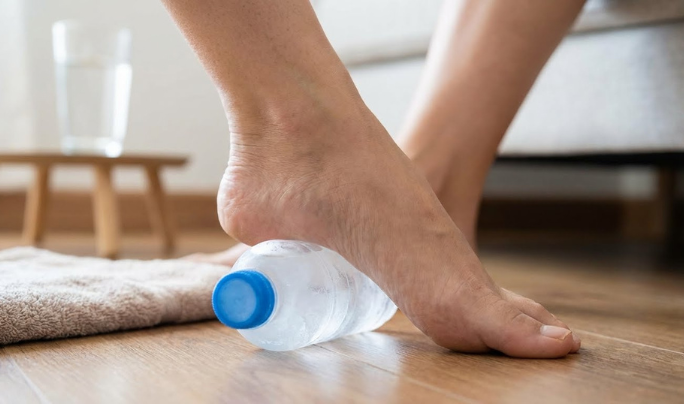
- Ice massage using a frozen water bottle rolled under the arch
- Gentle calf stretches several times a day
- Night splints to keep the fascia lengthened
- Switching to low-impact cardio (cycling, swimming) during flare-ups
- Consistent wear of supportive shoes indoors and outdoors
When to Consider Advanced Interventions
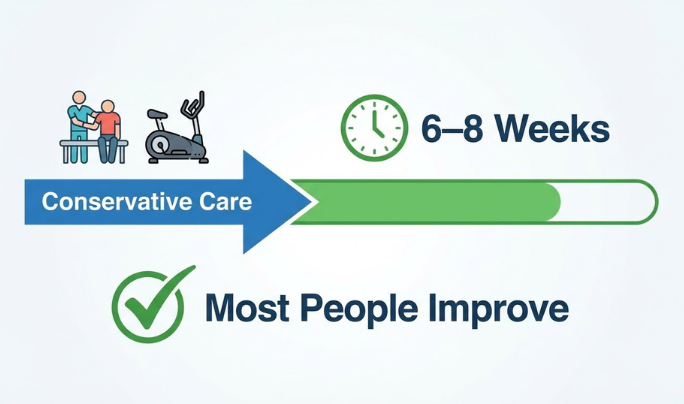
Most people improve within 6–8 weeks of conservative care, while complete recovery can take several months. Surgery is rare and reserved for cases that fail to respond to dedicated nonsurgical care over 6–12 months.