
Headache And Migraine Treatments
Drug-free care designed to reduce headache frequency, relieve tension, and improve neurological function.
Headache And Migraine Treatments
Drug-free care designed to reduce headache frequency, relieve tension, and improve neurological function.
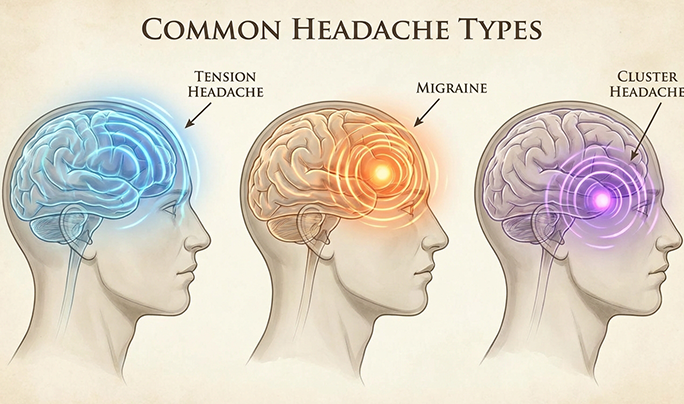
Headaches and migraines can make work, sleep, and daily life much harder than they should be. Dr. Christopher Virusky provides drug-free, conservative care designed to reduce tension, improve movement, and help patients find lasting relief. Treatment plans are personalized based on symptoms, triggers, and how the neck, shoulders, posture, and nervous system may be contributing to the problem.
What’s the Difference Between a Headache and a Migraine?
Understanding how these conditions diverge guides every Fairfax Station headache and migraine treatments plan we design:
Headaches typically present as steady, dull, or band-like pressure across both sides of the head. Tension headaches, the most common type, stem from stress, dehydration, posture strain, or sleep disruption. Cluster and sinus headaches create sharp, localized pain around the eye or sinuses and often pair with congestion.
Migraines are neurological events marked by pulsating pain—usually on one side—combined with symptoms such as aura, nausea, light and sound sensitivity, and fatigue. Episodes can last hours or days, and they often require a multi-pronged investigation into muscular, structural, hormonal, and lifestyle triggers.
Care implications: Traditional pain relievers might ease a simple tension headache, but migraines demand deeper analysis. At Fairfax Station Chiropractic we combine cervical spine evaluation, trigger mapping, and lifestyle coaching to uncover the origin of each patient’s pain.


Why Relying On Medication Alone Falls Short
- Pain relievers can mask symptoms without resolving cervical misalignments, muscle adhesions, or ergonomic stressors.
- POveruse risks rebound headaches, digestive upset, and hormonal ripple effects.
- Prescription therapies require ongoing monitoring, strict dosage compliance, and frequent pharmacy trips—costly barriers for many patients.
- Without a comprehensive plan, triggers related to stress, hydration, nutrition, or sleep remain unaddressed, allowing headaches to recur.
What Are Common Migraine Triggers?
Finding common triggers is an important part of care. During the evaluation, Dr. Christopher Virusky looks at posture, daily habits, stress, sleep, and other factors that may be contributing to recurring headaches or migraines:
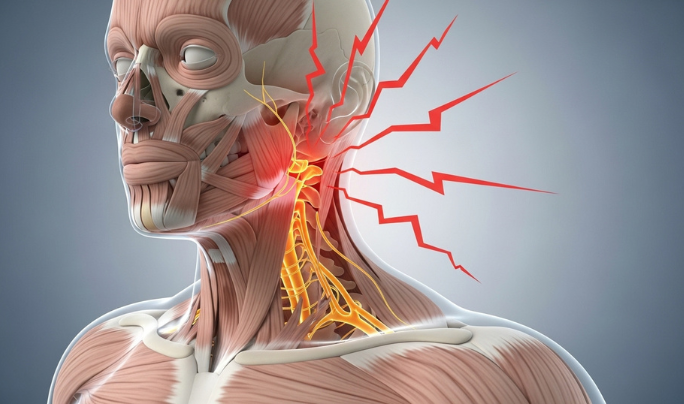
- Chronic stress and tension keeping the sympathetic nervous system activated, tightening cervical muscles that radiate pain upward.
- Hormonal fluctuations around menstruation, pregnancy, and perimenopause altering vascular tone; we coordinate with your primary care provider when needed.
- Posture and ergonomics from prolonged screen time, commuting, or hands-on work that strain the upper spine and trapezius.
- Dietary catalysts such as aged cheeses, nitrates, artificial sweeteners, caffeine swings, and dehydration tracked through food journals and hydration goals.
- Sleep disruption reducing serotonin and melatonin balance; we offer individualized sleep hygiene strategies.
- Weather and environmental shifts—humidity spikes, bright light, barometric pressure changes—monitored alongside symptom logs to tailor prevention tactics.
Treatment Options We Use
Chiropractic Care
Precision spinal and cervical adjustments restore alignment, relieve nerve irritation, and balance the musculoskeletal system, often delivering rapid pressure relief.
Therapeutic Massage
Licensed massage therapists use trigger-point therapy, myofascial release, and relaxation techniques to calm tight muscles, boost circulation, and downshift the nervous system—critical for persistent tension headaches.
Acupuncture
Targeted meridian stimulation encourages natural analgesia, reduces inflammation, and lowers migraine frequency and intensity.
Regenerative Therapies
Advanced options such as PRP or biologic injections can quell inflammation and accelerate tissue repair when musculoskeletal issues drive chronic headaches.
Lifestyle & Workplace Coaching
We review hydration, nutrition, stress, screen time, and sleep to implement sustainable habits—blue-light mitigation, breathing drills, structured routines—that deliver long-term relief.
Therapy & Corrective Exercise
Customized rehab programs strengthen neck and upper-back stabilizers, improve mobility, and retrain posture for office, driving, and sleep environments.
Lifestyle & Workplace Coaching
We review hydration, nutrition, stress, screen time, and sleep to implement sustainable habits—blue-light mitigation, breathing drills, structured routines—that deliver long-term relief.
Frequently Asked Questions
- Q: What are the most effective Fairfax Station headache and migraine treatments?
A: Blending chiropractic care, soft-tissue therapy, corrective exercise, and lifestyle modifications yields the best results. Each protocol is tailored to your diagnosis, triggers, and goals.
- Q: Can lifestyle changes really help?
A: Yes. Consistent hydration, sleep, nutrition, stress management, and movement lower frequency and intensity. We guide habit upgrades with measurable milestones.
- Q: Are natural or alternative options safe?
A: Chiropractic, massage, acupuncture, and ergonomic counseling offer drug-free relief with minimal side effects. We coordinate with medical providers when pharmaceuticals remain necessary.
- Q: How soon will I feel better?
A: Some patients notice relief after their first adjustment or massage. Chronic migraine cases often see steady progress over several weeks as posture improves, inflammation calms, and lifestyle routines stabilize.