Fairfax Station Scoliosis Treatments
Targeted chiropractic and rehabilitative care to improve posture, spinal function, and movement quality.
Fairfax Station Scoliosis Treatments
Targeted chiropractic and rehabilitative care to improve posture, spinal function, and movement quality.
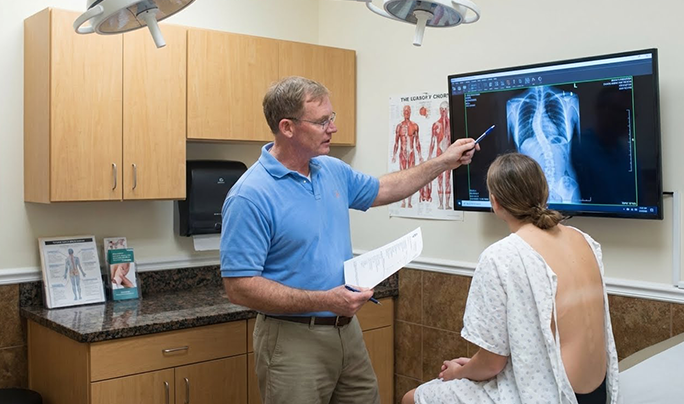
Need relief from scoliosis in Fairfax Station? Our chiropractic team blends gentle spinal care with evidence-based therapies to ease pain, restore mobility, and slow curvature progression. Every plan is tailored to your body, leveraging posture coaching, core stabilization, and targeted joint work so you can stand taller, move easier, and stay active.
What Is Scoliosis?
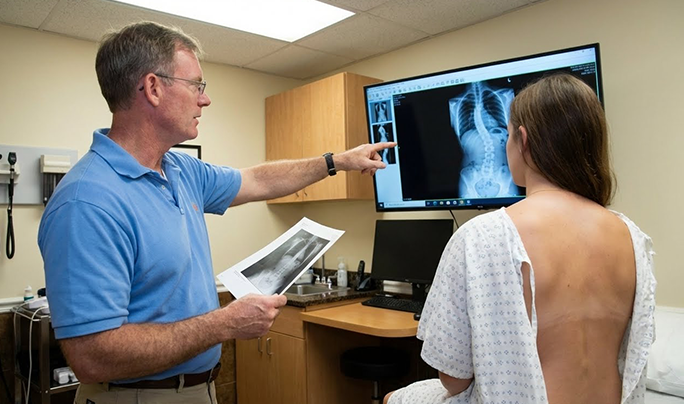
Scoliosis is a three-dimensional spinal deformity in which vertebrae rotate and bend sideways, creating the classic “C” or “S” profile on an X-ray.
- More info
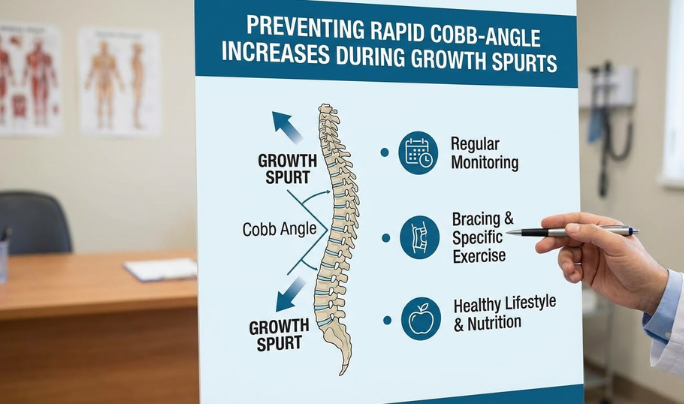
Curves of 10° or more (measured by the Cobb angle) qualify as scoliosis and are most often spotted during pre-teen and teenage growth spurts. Once the mid-spine twists, ribs and muscles follow suit, which can lead to shoulder height differences, rib humps, and uneven hips. While idiopathic scoliosis (no clear cause) accounts for roughly 80–85% of cases, other forms stem from neuromuscular disorders, congenital vertebral anomalies, or age-related degenerative disc changes. Untreated scoliosis can shift the body’s center of gravity and reduce lung capacity; advanced cases may trigger early facet arthritis or disc wear because joints no longer share loads evenly.
Why Early Help Matters
- Prevent rapid Cobb-angle increases during growth spurts
- Maintain thoracic volume so breathing stays easy
- Protect discs and nerves from uneven pressure
- Reduce compensations in hips, knees, and ankles
- Support mature posture before skeletal growth finishes
Personalized Scoliosis Evaluations
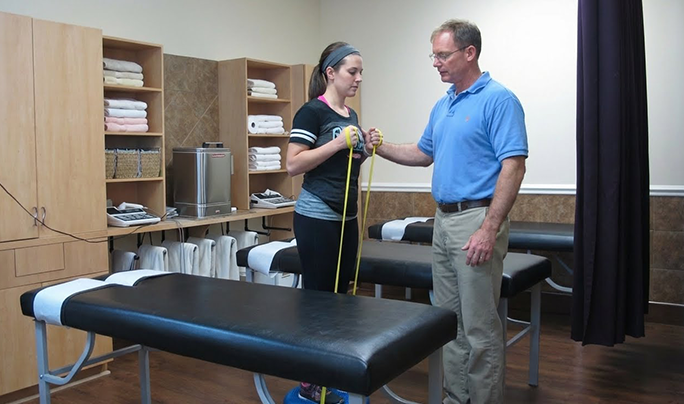
- Health history, orthopedic, and neurological testing
- Postural photos, range-of-motion screens, and flexibility checks
- Referral for standing AP/LAT spinal imaging when indicated
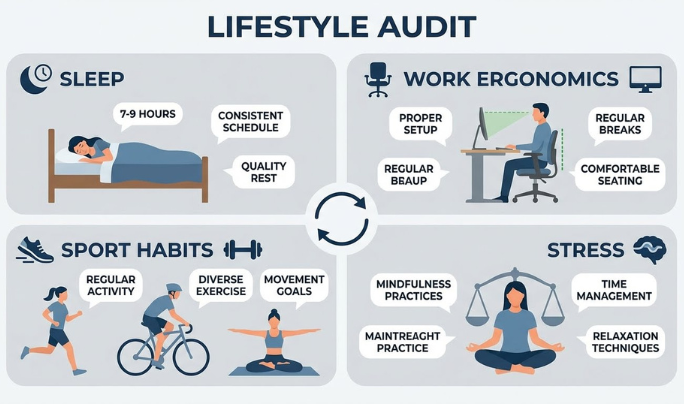
- Lifestyle audit covering sleep, work ergonomics, sport habits, and stress
Fairfax Station Scoliosis Treatment Options
Our Fairfax Station scoliosis treatments combine conservative measures to calm symptoms, enhance neuromuscular control, and resist curve progression.
- More info
Chiropractic Adjustments
- Low-force instrument or manual techniques to relieve facet fixation
- Thoracic and lumbar mobility work to aid rib motion
- Occasional pelvic balancing to level the foundation before spinal efforts
Corrective Exercise & Physical Therapy
- Schroth-inspired breathing patterns to derotate the thorax
- Core stabilization (deep abdominals, multifidus, erector spinae)
- Dynamic balance drills to retrain proprioception and gait symmetry
- Home programming with progressions you can follow between visits
Class IV Cold Laser & Soft-Tissue Therapy
- Release tight concave musculature and tendon restrictions
- Encourage circulation in overstretched convex tissues
- Improve muscle elasticity for more effective bracing or exercise|
Neuromuscular Re-education
- Posture awareness coaching for school, desk work, and driving
- Mirror-based training to reinforce neutral alignment
- Functional movement retraining (squats, lunges, reach patterns)
Adjunctive Modalities
- Dry needling for myofascial trigger points
- Electrical stimulation for inhibited musculature
- Rehabilitative taping to cue upright posture in daily life
When Bracing or Surgical Consults Are Appropriate
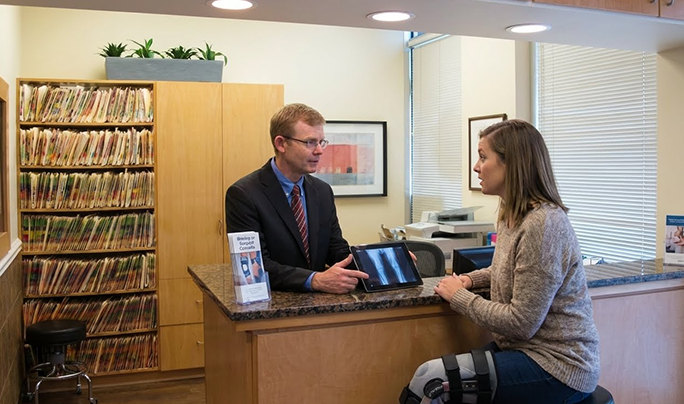
For adolescent curves in the 25°–45° range, collaboration with orthotists for daytime or nighttime bracing may slow progression until growth plates close.
- More info
We coordinate with regional spine specialists if surgical options such as posterior spinal fusion or tethering become necessary—ensuring physical therapy before and after any medical procedure remains synchronized.
Life With Scoliosis: Support Beyond the Clinic
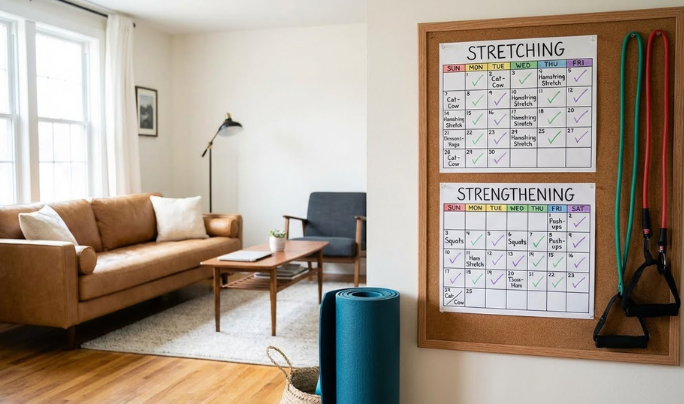
- Custom at-home stretching and strengthening calendars
- Ergonomic workstation updates to reduce slouching
- Backpack, instrument, or sports gear recommendations to balance load
- Stress-management strategies because muscle tension influences spinal rotation
- Periodic re-measurement of Cobb angles and lung capacity to track progress
Frequently Asked Questions
- Q: Can adults benefit from scoliosis care?
Yes. Adult scoliosis (either longstanding or degenerative) responds to spinal mobilization, core activation, and anti-inflammatory soft-tissue work that keeps discs hydrated and nerves decompressed.
- Q: Will chiropractic adjustments worsen the curve?
Qualified scoliosis practitioners use gentle, controlled forces aimed at mobility—not forceful manipulations that might irritate joints. Our focus is on reducing asymmetrical tension and improving balance.
- Q: How long until I feel better?
A: Many patients notice decreased muscle spasm and improved mobility within a few sessions, though curve stabilization requires consistent care over several months and periodic maintenance thereafter.
- Q: Can I continue sports or dance?
A: Often yes. We tailor return-to-play plans, introduce sport-specific drills, and monitor spine response so you participate safely.